01
The hairline looks natural
A natural hairline is not perfectly straight. It should have soft edges, subtle irregularity and finer single hairs at the front.
Your donor area is finite and it does not renew, so the plan has to be right before a single graft moves. At Gro Sydney your treating doctor reviews your case personally, confirms the plan with you, and performs the procedure. If a transplant is not the right move for you yet, you will hear that.
Free, no obligation. General questions and next steps, not a medical consultation.
 Our Woolloomooloo clinic
Hair loss is gradual, which is exactly what makes it hard to judge. These are the changes men most often bring to a first conversation.
 A first conversation
None of that tells you what stage you are at, or what would actually help. Some of it responds to medication. Some of it does not. That is what the next part is for.
Pick the situation closest to yours, and see what we may recommend if medically eligible, before you book anything.

Five situations, five straight answers. Four of them are not a transplant.
Four of those five answers are not a transplant. That is the point of the call. Fifteen minutes with an advisor is worth having even when a procedure is the wrong move, because knowing which stage you are at changes what you should do this year.
Book a free 15-minute callA natural hairline is not perfectly straight. It should have soft edges, subtle irregularity and finer single hairs at the front.
Transplanted hair should follow the angle and direction of the surrounding hair, rather than standing apart from it.
A dense front with limited coverage behind it can become less balanced as hair loss progresses. The plan should consider the treated area as a whole.
A strong result should not come at the expense of visibly overharvesting the back or sides of the head.
Most clinics can only recommend what they are set up to provide. A prescription clinic recommends a prescription. A transplant clinic recommends a transplant. Gro brings prescription haircare, preparation and regenerative treatments, and precision hair transplantation together under one roof, so the advice follows what may be appropriate for you, not simply what is available to sell.
That experience informs how our doctors approach different patterns of hair loss, donor limitations and long-term planning. Every plan remains individual, but it benefits from what has already been learned across the network.

Gro doctors have transplanted an average of 2.8 million hairs each. The doctor who confirms your plan is the doctor who performs the procedure, it is never delegated to a technician.

No injectables. No skin treatments on the side. Gro invested more than $500,000 in practitioner training and research and development last year, because maintaining a dedicated focus requires ongoing investment.

A hair transplant is not one appointment. Support continues through the major stages of recovery and growth, with a dedicated contact available outside regular clinic hours when questions arise.

The doctors will review your case, confirm your plan with you, and perform your procedure.
Hair Transplant Doctor and Medical Director
Registration MED0001200342
My approach is simple: treat every patient the way I would want to be treated, and always ask what I would do if I were in their position. I believe in honest advice, realistic expectations, and careful planning — underpromising where needed, while working hard to deliver the best possible outcome.
Hair Transplant Doctor
Registration MED0002571399
I believe good hair restoration starts with honesty. That means understanding what is really causing your hair loss, whether a transplant is the right next step, and what will continue to look natural in the years ahead. Every treatment plan is created with you, not simply for you.
Before anything is extracted, your doctor maps the donor area and plans where grafts are taken from, spreading extraction across it rather than drawing heavily on one region. Donor hair does not renew, so how it is spent is decided first, with the areas you may want to treat later in mind.

Between extraction and placement there is a window where grafts are out of the scalp. During that time they may be held in Hypothermosol, a medical-grade solution originally developed for organ transplant, intended to help keep grafts viable. Keeping that window short and controlled is part of the plan, not an afterthought.

This is where the four criteria above are decided. Your doctor plans a soft, subtly irregular front edge with finer single hairs at the leading line, sets the angle and direction so transplanted hair follows the hair around it, and distributes density across the whole treated area rather than banking it into a front strip.

Each graft is placed by your treating doctor using a precision placement device that creates the site and places the follicle in one motion, keeping direct control of angle, depth and direction at the moment of placement. Smaller instruments mean less trauma to the scalp and typically a gentler recovery.

Most procedures fall between $12,000 and $17,000, and two plans in that range can still sit thousands apart, depending on the areas treated, the number of grafts, and your personalised plan.
You get an exact figure before you decide anything, in writing, everything included. Nothing appears later that wasn't in that number. Same price, same inclusions, same standard at all our clinics. Weekly payment plans are available.
And if a procedure isn't the right move for you yet, the conversation ends there, not with a quote.
Want to understand what your individual plan may involve?
Discuss your options and approximate costsIf you're weighing this up against a package overseas, or against any clinic, these are worth knowing before you commit. Donor hair only gets one shot, so it's worth asking the same five things of anywhere you're considering, including us.
In Australia, every registered medical practitioner is on a public register. Ask for a name and a registration number, then check it.
Some clinics offer hair transplants alongside skin treatments, injectables, or a dozen other procedures. Ask whether hair restoration is the doctor's main focus. At Gro, it's the only thing our doctors work on.

Recovery questions arrive after you've gone home. Ask who answers the phone, and whether it costs anything. At Gro, that's a 24 hour nurse line and free follow-up for up to 18 months.
Worth knowing upfront, since it's the number that changes the maths.
A plan built for how you'll look years from now, not just in the first twelve months, is the hardest mistake to undo later.
We're not going to tell you nobody gets a good result overseas. Some do. What we will say is that your donor area is finite, it does not renew, and a first plan built for the wrong horizon is the one thing a second procedure cannot fully repair.
Your donor area is finite, so every follicle needs to be planned carefully. If your hair loss has not stabilised or a procedure is unlikely to serve you well long term, we will tell you. Sometimes the right outcome is a treatment plan. Sometimes it is knowing when to wait.

A free 15-minute call with a Hair Growth Advisor. To learn about your situation and help you with the next step.
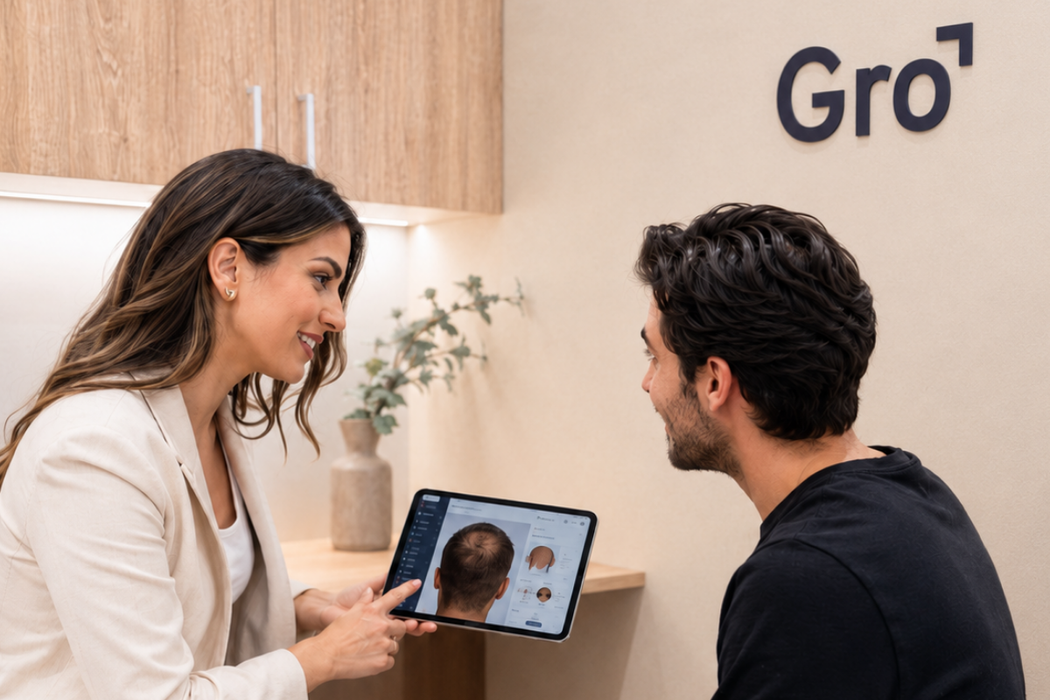
A planning conversation with your Hair Growth Advisor at Woolloomooloo. Your goals, your hair, your options, properly mapped out.
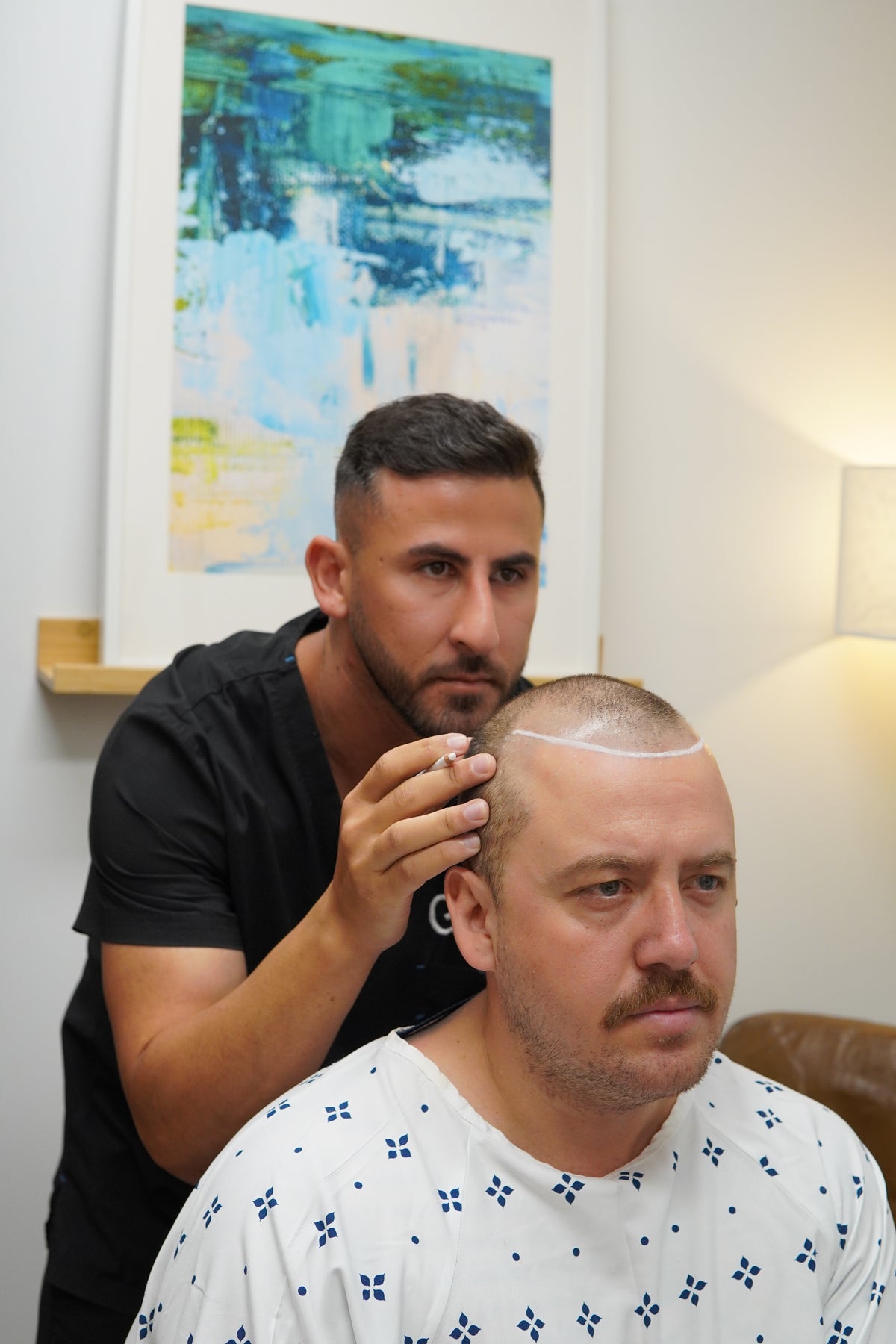
Your treating doctor personally reviews your case and confirms the plan, before the day.
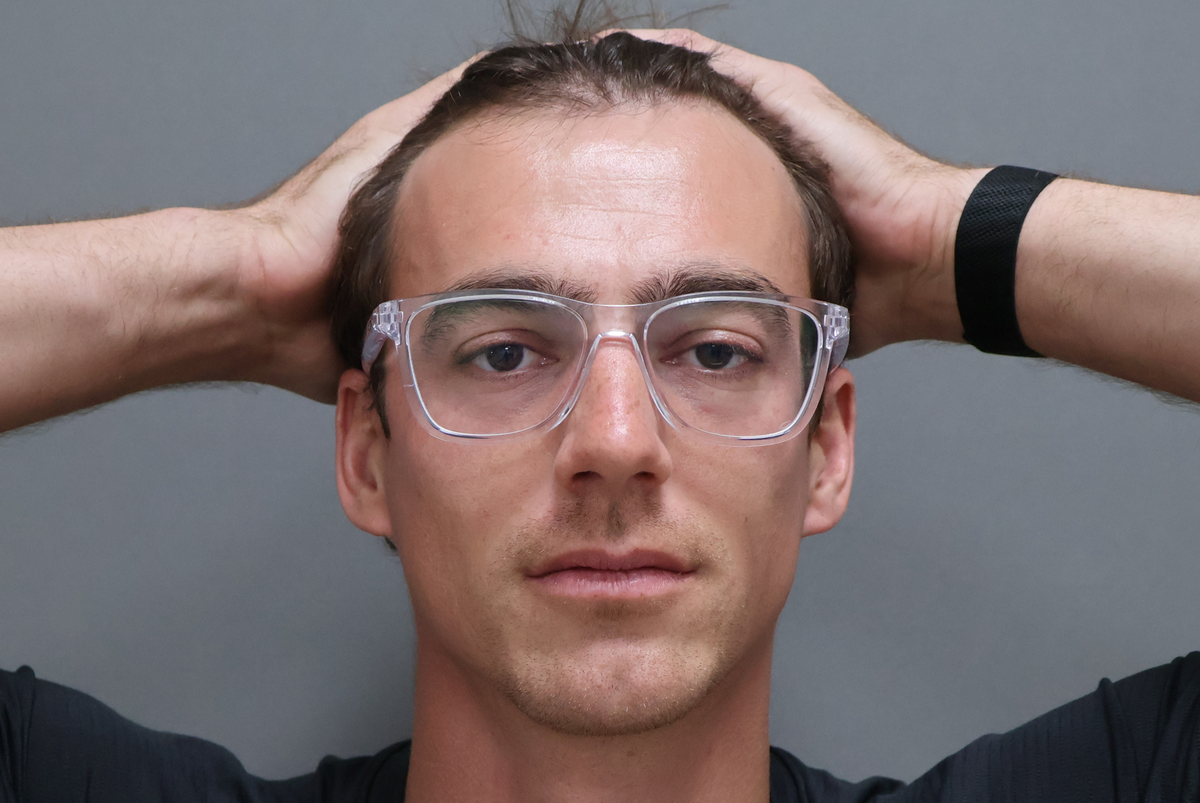
Performed by your treating doctor, in a clinic built specifically for hair restoration, nothing else happens here.
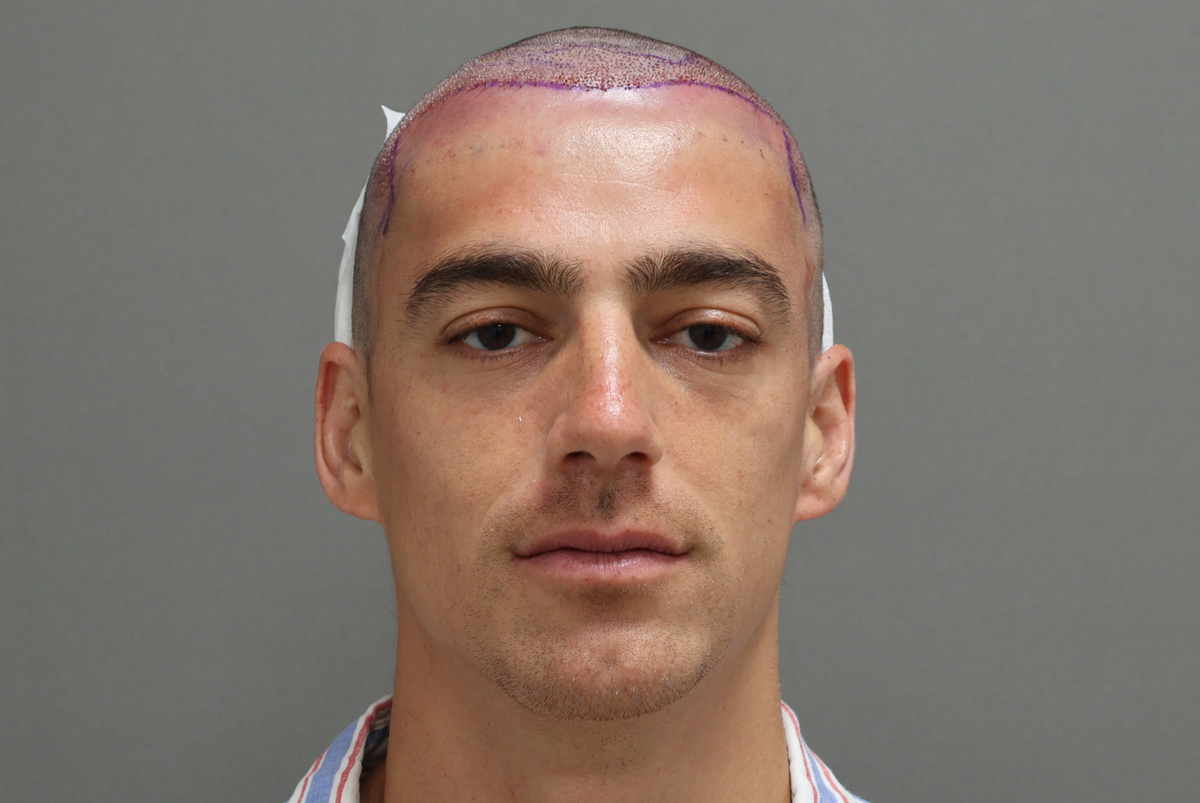
Some swelling and early shedding are normal, part of healing, not a result to judge yet.

New growth builds gradually toward full results, backed by 18 months of free follow-up and a dedicated out-of-hours contact.
Suite 302/Level 3/80 William St, Woolloomooloo NSW 2011
Hair transplant procedures at Gro Sydney start from $12,000, and most procedures fall between $12,000 and $17,000. The exact figure depends on the areas being treated, the number of grafts required and the individual plan confirmed for you.
We offer flexible payment options through third-party finance providers. Conditions apply, and eligibility can be discussed with your consultant.
You get an exact figure before you decide anything, in writing, with everything it includes listed. Nothing appears later that was not in that number. The price, the inclusions and the standard are the same at Sydney, Melbourne, Brisbane, Gold Coast, Perth and Auckland, and weekly payment plans are available. If a procedure is not the right move for you yet, the conversation ends there, not with a quote.
Your treating doctor, personally, and never a technician. At the Woolloomooloo clinic that is one of the two doctors on this page. The same doctor reviews your case, confirms the plan with you before anything begins, and performs the procedure.
You will not know from a photograph, and neither will we. It depends on whether your loss has stabilised, what your donor area can actually give, and how much loss is still ahead of you. That is a clinical judgement, and it belongs to a doctor.
The 15-minute call with a Hair Growth Advisor is the free first step. It maps your options and agrees a next step, and it is not a medical consultation or a suitability assessment. Where it makes sense, the team arranges an in-clinic consultation with your treating doctor. Where a procedure is not the right move for you yet, we say so.
It takes time, and the process isn't always a straight line, here's roughly what to expect:
Everyone's timeline looks a little different, and your treating doctor can talk you through what's realistic for your specific case.
The first few days are the most noticeable, some redness and tiny scabs at the transplant site, which settle down within about a week to ten days. Most people take a short break from work, a few days off is the typical guide, though it depends on the type of work you do and how visible the treated area is early on.
Beyond that first week, it's mostly about following the aftercare plan your doctor gives you, avoiding strenuous exercise for a period, and letting the area heal properly. You're not left to figure this out alone either, every Gro client has a 24 hour nurse line and free follow-up for up to 18 months, so questions during recovery get answered as they come up.
Sydney is at Suite 302, Level 3, 80 William Street, Woolloomooloo NSW 2011, about a five minute walk from Kings Cross station.
There are six clinics: Sydney, Melbourne, Brisbane, Gold Coast, Perth and Auckland. The price, the inclusions and the standard are the same at all of them. The results on this page are Sydney cases only, by the two Sydney doctors.
A Discovery Call is with a Hair Growth Advisor. It's a straightforward way to ask general questions and understand the next steps. It is not a medical consultation or suitability assessment. An in-clinic consultation is also with your Hair Growth Advisor, a closer look at your hair and situation to map out the options that could apply to you. Your treating doctor then reviews your case and confirms the plan before your procedure.