











Key Takeaways
- Wearing hats doesn't cause hair loss - There's no solid scientific evidence proving that hats lead to baldness. The restricted blood flow theory is largely a myth.
- Real causes are different - Hair loss is more likely caused by genetics, age, hormones, medical conditions, or lifestyle factors like stress and tight hairstyles.
- Keep hats clean - While hats don't cause hair loss, dirty hats can lead to scalp infections from trapped sweat and bacteria, which can cause hair loss.
For many Australians, a hat is a key piece of clothing in any outfit. Whether that's as a reliable source of sun protection, or as a finishing touch to showcase fashion taste.
Regardless of the reason, wearing hats is a common choice many make every day. Yet, what if that habit comes with the chance of increased hair loss?
This article asks the question: Does wearing hats cause baldness or hair loss? If so, what can be done to avoid permanent hair loss and keep your scalp healthy and full of hair? Read on to learn these answers and more.
Can Wearing a Hat Cause Hair Loss?
Countless lifestyle factors may trigger hair loss, each with its own degree of severity. For example, tight hairstyles and a lack of a balanced diet are believed to cause enough hair damage to initiate some loss.
However, another popular theory implies that wearing hats leads to hair loss concerns. Namely, that regularly wearing tight hats restricts blood flow to the scalp, damaging hair follicles enough that strands fall out at a higher rate than normal. Over time, this may lead to you noticing thinning hair or bald patches across the scalp.
Ultimately, this theory currently doesn't have enough evidence to prove that wearing hats really does cause hair loss or balding. In fact, A recent study indicated that men regularly wearing hats may protect them from experiencing thinning hair.
This contrasts with A similar study showing that women who don't wear hats experience less hair loss than those who do. Despite this, the hair loss difference between the groups is fairly slim, making it difficult to definitively prove that daily hat wear is the cause.
With conflicting evidence and minimal research into the topic, the relationship between hats and hair loss is ultimately unproven right now. It's more likely that other factors, especially genetics and hormonal factors, are the cause of any hair loss.
6 Myths About How Hats Can Affect Your Hair’s Health
If there's no evidence that hats cause hair loss, why is it such a popular theory? It's likely because there are multiple myths around what wearing a hat can do to hair health.
We've provided six of the more commonly believed myths below. While they can't be definitely proven or disproven due to a lack of research, we will provide reasons for each myth and what to look out for.
Myth 1: Hats Restrict Blood Flow on the Scalp and Cause Hair Loss
The most common reason why hats are believed to cause hair loss is due to their restriction on scalp blood flow. Pressure may not just keep the head warm, but also potentially prevent key nutrients provided by blood from reaching hair follicles.
Without these nutrients and a supply of oxygen, it's thought that the natural hair growth cycle may be negatively impacted. Some studies suggest this possibility, but it's generally agreed in the medical community that hair loss isn't caused by poor blood circulation in the scalp.
It's more likely that wearing hats has simply contributed to existing hair loss conditions. For example, symptoms of traction alopecia (chronic hair pulling) or telogen effluvium (temporary hair loss trigged by stress or shock) may be worsened if you also regularly wear tight head coverings.
Myth 2: It’s Bad to Wear Hats Every Day
Wearing a hat every day is believed to potentially lead to hair loss since the article may restrict blood flow to the hair follicles. With a restricted flow, more tension may be put on the follicles, leading to temporary hair loss.
This temporary condition may progress to permanent hair loss if done over long periods of time. However, tight braids, ponytails, or other tension-causing methods of styling may also similarly impact the hair growth cycle.
Thus, it's best to keep your hair healthy by providing it with sufficient breaks from tension. If you wear a hat every day or use tight hairstyles, consider scheduling in breaks to reduce the effects of constant pulling on hair follicles.
Myth 3: Hair Loss is Only Caused by Tight Hats
Although there's limited evidence on how hat-wearing habits may impact hair health, it's often believed that different types of hats may have varying levels of impact. That is, hair growth and loss may be affected differently when a tight hat is worn over a more comfortable fit.
Excessive tension caused by a tight-fitting hat may lead to hair breakage and thinning. Thus, healthier hair may be secured by choosing headwear that doesn't decrease blood flow. Avoid hats that put too much pressure on your scalp and choose those made with breathable materials.
Myth 4: Unclean Hats Can Exacerbate Hair Shedding
Failing to regularly wash your hat may cause more than dirty hair or a bad odour. In fact, wearing unclean hats daily may be related to excessive hair shedding and eventual hair loss.
This is because the heat and sweat trapped by hats can lead to clogged follicles on the scalp. Without proper hair care or cleaning habits, the clogging may develop into scalp irritation and, in extreme cases, folliculitis.
A type of infection caused by bad bacteria in the scalp, folliculitis has been known to lead to hair loss. Such hair loss may be permanent in more severe cases, so it's best to prevent an infection on the scalp to keep your hair healthy.
Ensure you wear loose-fitting hats and they are regularly cleaned. That way, they're less likely to trap heat and sweat that may lead to scalp infections.
Myth 5: Beanies are a Good Alternative to Prevent Hair Thinning
Much like the other myths in this section, it can't be definitely proven that beanies don't help prevent further hair loss -- especially in contrast to tighter hats. Despite this, it's often thought that loose, breathable materials for head coverings, like beanies, may be better for hair health.
If you're interested in wearing hats on a regular basis, consider choosing those made from natural materials such as cotton or linen. Additionally, looser fits like beanies may prevent even temporary hair loss, improving the density of follicles on your head.
Myth 6: Hair Strands in a Hat Mean Hair Loss
Your hair naturally sheds around 50-100 strands a day, so finding stray hairs in your hat is completely normal. This likely isn't a sign of hair loss unless the number of strands is unnaturally high.
If you notice signs of a receding hairline, hair thinning, or bald patches alongside increased stray hairs in your hat, it's more likely that you're experiencing a type of hair loss. This is unlikely to be caused by regular hat wear, but early intervention from a hair growth professional may help prevent further loss.
What Factors Actually Cause Hair Loss?
If wearing hats isn't the cause of hair loss, what should Australians be keeping an eye out for? There are several scientifically proven causes of hair loss, with the more likely causes being:
-
Age
-
Genetics, such as hereditary male pattern baldness or female pattern hair loss
-
Medical conditions, including alopecia areata
-
Hormone changes
-
Nutritional deficiencies
However, there are some environmental factors thought to exacerbate existing hair loss. These may include:
-
Pregnancy
-
Certain medications
-
Infections of the scalp caused by bacteria or fungi
-
Stress
-
Smoking
-
Wearing hair in tight styles
-
Hair products with harsh chemicals, especially dye, bleach, or straightening solutions
-
Heat-based hair styling tools like straighteners or curling irons
If you think you may be experiencing higher levels of hair loss than normal, consider booking a consultation with a hair health professional. With a trusted doctor, you may be able to diagnose the cause of your hair loss and determine a reliable treatment plan.
Best Ways to Prevent or Address Hair Loss
There are some lifestyle habits and professional methods available to prevent or treat hair loss. If you are concerned about thinning hair, frontal hair loss, or bald patches, consider the following options:
Maintaining Overall Well-Being
Taking care of your overall well-being may go a long way to giving yourself healthier hair. With essential nutrients and good hydration levels being key to stronger hair, maintaining these habits may also help prevent hair loss.
Additional habits that may support your hair's health include sufficient sleep and lowering stress levels. Take the time to ensure you're keeping yourself and your hair as healthy as possible.
Incorporating Hair & Scalp Care Routines
You may further support your hair's growth through a proper care routine. Healthy hair may be best achieved through the following habits:
-
Gently brushing your hair with the right type of comb, rather than yanking on follicles
-
Only using hair products that don't contain harsh chemicals
-
Using hydrating shampoos and conditioners
-
Taking care to wash hair from the scalp with shampoo
-
Understanding your hair type and what kind of care it specifically needs
-
Protecting your hair from heat
-
Scheduling hair washes based on when it gets dirty or oily
Everyone's hair is unique, so be sure to tailor your care routine based on what works best for you.
Taking Prescription Medications
Some cases of diagnosed hair loss are treated through prescription medications. Products such as minoxidil or finasteride may help treat hair loss through topical or oral applications.
It should be important to note that this method only manages hair loss and supports its health. It's not a permanent solution and can only be provided by a registered healthcare provider.
Treating Underlying Medical Causes
When hair loss is a symptom of a medical condition, it may be beneficial to treat said condition to prevent further loss. Some medical conditions that may cause hair loss as a symptom include:
If you're experiencing hair loss without a known cause, contact a trusted healthcare professional for a diagnosis.
Getting a Hair Transplant
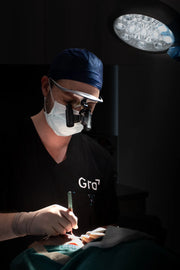
When it comes to hair restoration, regardless of whether thinning is caused by wearing a hat, transplantation is one of the most reliable hair loss treatments. Performed by an experienced hair growth professional, this procedure makes use of healthy hair on the side and back of your scalp for donation.
Donor hair follicles are transplanted in thin strips to confirmed areas of thinning and/or baldness. Once precisely transplanted, these hairs are intended to eventually sprout new healthy stands to improve hair density levels.
Seek Out Professional Insight Into Your Hair’s Health with Gro Clinics
Noticed signs of your hair thinning or growing in patches? While it may not be your habit of wearing a hat causing such a drop in hair density levels, that doesn't mean a solution isn't available.
Gro Clinics has provided countless Australians with tailored treatment options for their hair loss. Regardless of whether it's genetic hair loss or temporary thinning from lifestyle choices, we have the experience needed to provide insight into your growth concerns.
Book a consultation with your local clinic and learn more about how Gro Clinics can help your hair today.