






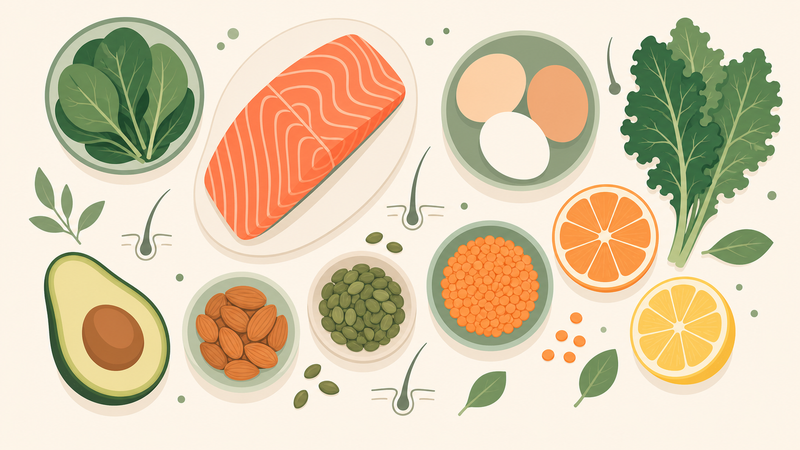
A balanced diet plays a critical role in maintaining overall health, including the health of your hair and scalp. Nutritional deficiencies can impact the normal hair growth cycle, contributing to excessive shedding or reduced hair quality. While diet alone may not be the cause of hair loss in every case, addressing potential nutrient gaps is a meaningful step toward supporting healthy hair growth.
The Link Between Nutrition and Hair Health
Hair growth is a non-essential bodily function, meaning that when nutrients are limited, your body prioritises other organs and processes. For this reason, a deficiency in key nutrients can affect the strength, thickness, and growth rate of hair strands. When nutritional intake improves, so too can the support for follicle function and scalp condition.
Key Nutrients for Hair Health
While every person’s dietary needs vary, the following nutrients are commonly associated with supporting hair and scalp health:
Protein
- Hair is primarily composed of a protein, keratin.
- Include lean meats, poultry, seafood, eggs, tofu, and legumes to support protein needs.
Iron
- Iron helps carry oxygen to hair follicles.
- Low iron levels, including iron-deficiency anaemia, have been linked to hair shedding.
- Sources include red meat, leafy greens, lentils, and iron-fortified cereals.
Biotin (Vitamin B7)
- Biotin is involved in the production of keratin.
- Found in eggs, almonds, seeds, and sweet potatoes.
Vitamin C
- Supports collagen production and improves iron absorption.
- Found in citrus fruits, berries, kiwi, and capsicum.
Omega-3 Fatty Acids
- Support skin barrier function and scalp hydration.
- Include oily fish like salmon, sardines, and mackerel, or plant-based options such as flaxseed and chia seeds.
Zinc
- Supports cell regeneration and oil gland function around hair follicles.
- Sources include shellfish, meat, seeds, and legumes.
Folate and Other B-Vitamins
- Assist with red blood cell production and nutrient transport to follicles.
- Found in dark leafy greens, whole grains, and avocados.
Should You Use Supplements?
Supplements can help correct nutritional deficiencies but are not a substitute for a balanced diet. For individuals who follow restrictive diets or have absorption issues, supplements may support overall nutritional intake. Always consult a healthcare provider before starting any supplement, especially if you have underlying health conditions or take other medications.
What If Diet Isn’t the Cause of Hair Loss?
Hair loss can be triggered by many factors including genetics, hormonal shifts, health conditions, stress, or medication. While improving your diet may support hair health, it may not address the root cause of hair loss in all cases.
If you are concerned about ongoing hair thinning or shedding, a consultation with a Gro Hair Growth Advisor can help you explore suitable next steps. In some cases, medically prescribed treatments may be appropriate. Learn more about prescription hair care here.
Explore Medically Guided Options
At Gro Clinics, we offer a range of medically guided treatments tailored to different types and stages of hair loss. These include:
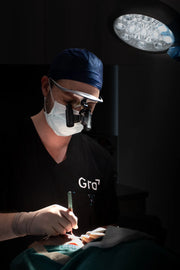
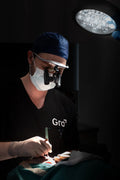
- Hair transplant procedures for restoring density in areas with reduced coverage
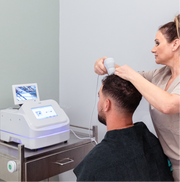
- Growth factor therapy (PRP) to support follicle stimulation
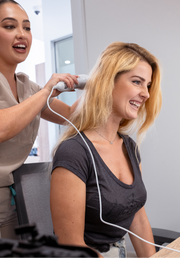
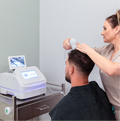
- Low-level light therapy (LED) to support scalp health
- Prescription treatments via online consultation with a registered Australian doctor
Ask a Hair Loss Advisor With a Free 15-Minute Discovery Call
Gain a free 15-minute discovery call with a Hair Growth Advisor to determine if Gro Clinics may support you. If eligible, you may book an in-clinic assessment and personalised treatment plan.
Our clinics are located across Australia and New Zealand, including Sydney, Brisbane, Melbourne, Gold Coast, Perth and Auckland.