





Skip to content
Related Blogs
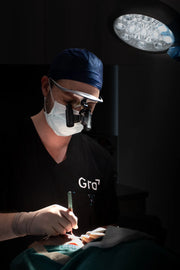
How to Choose a Safe Hair Transplant Clinic in Australia

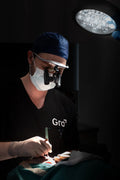
Hair restoration is becoming more common in Australia, but not all providers meet the same medical standards. In this article, Dr Anwar from Gro Clinics Sydney explains the key red flags to look for when choosing a hair transplant clinic—so you can make a safe, informed decision.

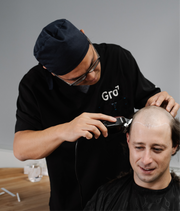
Your Hair Transplant Timeline: What to Expect Before, During and...

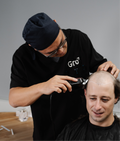
Considering hair restoration? In this edition of Hair Loss 101, we walk you through what to expect before, during, and after a procedure at Gro Clinics, using our refined approach to follicular unit extraction (FUE) with a focus on precision and comfort.

Related Blogs
How Hair Grows: Anagen, Catagen, Telogen & Exogen Hair Phases

Ever wondered what’s really happening on your scalp? Hair doesn’t just grow—it cycles. In this edition of Hair Loss 101, we break down the science behind the four distinct stages of hair growth and why understanding them is essential to managing hair thinning or loss.

6 Common Causes of Hair Loss

The Norwood Scale, also known as the Norwood-Hamilton Scale, is the standard classification system for male pattern hair loss. Whether you're just starting to notice thinning or exploring hair restoration options, understanding the scale is a helpful first step. Here's everything you need to know.

Related Blogs
Best Foods to Support Healthy Hair Growth

A balanced diet plays a critical role in maintaining overall health—including the health of your hair and scalp. Nutritional deficiencies can impact the normal hair growth cycle, contributing to ex...

How Often Should You Really Wash Your Hair?

One, two, three, one, two, three, wash. How often should we really be washing our hair? Between how sensitive hair can be, and how easy it is to under-or overdo washing, we decided to deep dive int...

Related Blogs
10 Years of Hair Transplants in Australia: Gro Clinics’ Journey

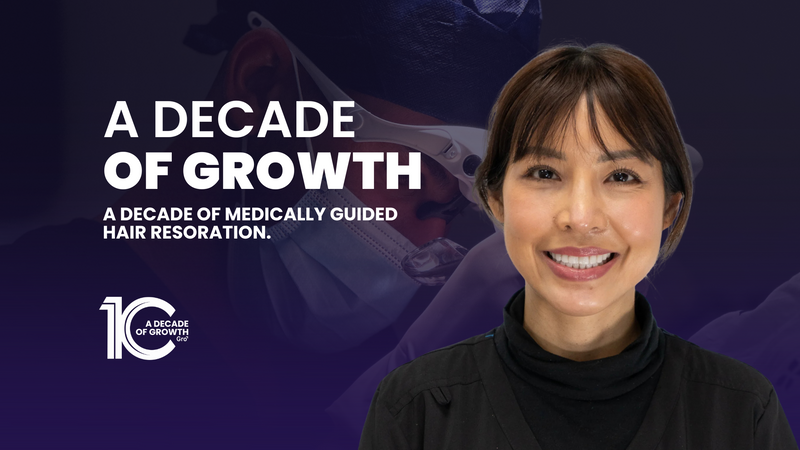
In 2014, Gro Clinics opened its first hair transplant clinic in Sydney, aiming to change how Australians approach hair restoration. With one doctor and one nurse, our mission was clear: deliver ethical, medically guided care for hair loss. Today, that mission continues - across a national network of doctor-led clinics in Australia and New Zealand.

What We've Learned Over The Decade.

Over the past decade, Gro Clinics has grown from a single clinic to a network with locations in Sydney, Melbourne, Brisbane, Perth, the Gold Coast, and Auckland. Each clinic offers in-person consultations and assessments, providing personalised recommendations based on each client’s goals and medical needs.

0

Your cart is empty

Continue shopping
Back to all blogs

10 Years of Hair Transplants in Australia: Gro Clinics’ Journey

10 Years of Hair Transplants in Australia: Gro Clinics’ Journey

Jump To

    In 2014, Gro Clinics opened its first hair transplant clinic in Sydney, aiming to change how Australians approach hair restoration. With one doctor and one nurse, our mission was clear: deliver ethical, medically guided care for hair loss.

    Today, that mission continues - across a national network of doctor-led clinics in Australia and New Zealand.

    From One Clinic to a Network of Hair Transplant Clinics in Australia

    In the last decade, Gro Clinics has grown from a single Sydney location to multiple hair transplant clinics across major cities, including Melbourne, Brisbane, Perth, and the Gold Coast, as well as Auckland. Our approach focuses on in-person consultations, clinical assessments, and personalised treatment plans.

    What defines Gro’s approach:

    Why Australians Choose Gro for Hair Transplants

    Choosing to treat hair loss is personal. Gro supports patients at every stage - from early thinning to advanced cases - with tailored solutions and professional guidance.

    Many Australians turn to Gro for:

    • FUE hair transplant procedures performed locally
    • In-person assessments, not online-only providers
    • Non-surgical and prescription-based options where appropriate
    • Transparent, realistic advice about what’s possible

    What We’ve Done Over 10 Years

    Gro has performed over 7,700 hair transplant procedures and supported an additional 7,800 clients through other medically guided treatments, such as prescription haircare, LED therapy, and regenerative care. Every Gro doctor completes over 12 months of training in our internal method before performing procedures independently, ensuring consistency across our clinics.

    We’ve helped people navigate hair loss in a medically responsible, realistic way - with over 35 million hairs transplanted since opening.

    More Than Just Hair Transplants

    Gro’s treatment options cover:

    • In-clinic consultations and scalp diagnostics
    • Personalised FUE hair transplant plans
    • Medically prescribed haircare programs
    • Non-invasive treatments where clinically suitable

    If you’re unsure whether a hair transplant is right for you, Gro offers step-by-step guidance from experienced healthcare professionals.

    The Next Chapter for Hair Restoration in Australia

    As Gro Clinics celebrates 10 years of practice, we remain focused on client education, ethical treatment planning, and local, in-person care. With a growing team and over 15,000 clients supported, we continue to refine our services for Australians who want medical support for hair loss.

    Considering a Hair Transplant?

    If you're experiencing early hair thinning or have questions about your options, a free 15-minute discovery call with a Gro consultant is a good place to start. There’s no obligation - just a simple, clear way to explore what’s possible.


    Disclaimer: All medical procedures carry risks. Results vary from person to person. Consult a registered healthcare practitioner to assess your suitability before proceeding. Any examples shared are for informational purposes only and do not guarantee specific outcomes.

    Ready to book a consult?

    BOOK A CONSULTATION

    Ready to explore your options?

    If you're considering hair restoration, you can book a 15-minute phone call with a trained Gro Clinics consultant.

    We'll walk you through the process, answer general questions, and explain next steps if you're interested in an in-clinic assessment. This call is for general information only and not a medical consultation.

    Looking for prescription telehealth? Book here

    Prefer a phone call?

    CALL US INSTEAD

    Prefer a phone call?

    CALL US INSTEAD
    BOOK NOW
    IMPORTANT INFORMATION

    Hair Transplant Procedure Risk & Recovery Information

    This document provides general information about hair transplant procedures, including associated risks and recovery. It is intended for public access and does not replace a clinical consultation with a registered medical practitioner. All procedures at Gro Clinics are performed by registered medical practitioners. Individual outcomes, risks, and recovery timelines vary. Speak with your Gro doctor for information specific to your situation.

    1. What Is a Hair Transplant Procedure?

    A hair transplant is a medical procedure in which hair follicles are extracted from a donor area (typically the back or sides of the scalp) and implanted into areas experiencing hair thinning or loss. At Gro Clinics, this is performed using the Follicular Unit Extraction (FUE) technique.

    The procedure involves the use of local anaesthetic, small circular incisions to extract individual follicular units, and their implantation into the recipient area. It is performed under sterile conditions by a registered medical practitioner.

    Hair transplants are a higher risk non-surgical cosmetic procedure. They require careful consideration, a thorough clinical consultation, and informed decision-making. This document is designed to support that process.

    2. Alternative Options

     hair transplant is not the only option for addressing hair loss. Alternatives include, but are not limited to:

    • Hairpieces or hair systems
    • Prescription medications such as minoxidil or finasteride (subject to clinical assessment and prescription)
    • Other hair restoration procedures such as FUT (Follicular Unit Transplantation)
    • No treatment - hair loss is a natural variation and does not require medical intervention

    Your Gro doctor will discuss all relevant options with you during your consultation. A hair transplant may not be appropriate for everyone.

    3. Common Side Effects

    The following side effects are commonly experienced following a hair transplant procedure. They are generally temporary and resolve with time and appropriate aftercare.

    Pain and Discomfort - Discomfort is common during and after the procedure. The degree varies between individuals. Local anaesthetic is administered to manage pain during the procedure.

    Swelling - Swelling of the forehead or eyelids may develop and usually resolves within approximately one week.

    Minor Bleeding and Bruising - Spot bleeding may occur at the donor or recipient site and is typically controllable with pressure.

    Redness or Inflammation - Redness in the implanted area usually resolves within 3 months but may persist for up to 6 months or longer in some individuals.

    Crusting and Scabbing - Small scabs may form in the recipient area, typically resolving within 7-10 days.

    Itching, Numbness or Tingling - These sensations may occur and typically resolve within 6 to 9 months. In rare cases, nerve-related numbness or discomfort may persist for longer.

    Ingrown Hairs - Ingrown hairs are possible as transplanted follicles regrow.

    Pigmentation Changes - Temporary darkening or lightening of the skin in treated areas may occur, usually resolving within months.

    Telogen Effluvium (Shock Loss) - Temporary shedding of native (non-transplanted) hairs may occur following the procedure and usually resolves over time.

    4. Less Common and Rare Complications

    The following complications are less common but possible. Some may require additional medical treatment.

    Infection / Folliculitis - Infection risk is inherent to any procedure involving incisions. Folliculitis (inflammation of hair follicles) may occur and will be monitored. In rare cases, further medical intervention may be required.

    Scarring - FUE involves small circular incisions which may leave tiny white scars in the donor area. Hypertrophic or keloid scarring is rare but possible, depending on individual healing.

    Poor Graft Growth - In some cases, transplanted grafts may not grow as expected. Factors including smoking, underlying medical conditions, and non-compliance with aftercare can affect graft survival. There is no guarantee of complete or uniform growth.

    Overharvesting and Donor Area Thinning - Excessive removal of grafts may lead to noticeable thinning in the donor area, particularly in individuals with limited donor hair.

    Poor Angulation or Unnatural Appearance - If grafts are not implanted at the correct angle, direction, or density, hair may grow in an unnatural pattern. Corrective procedures may be required.

    Reaction to Anaesthetics or Medications - Allergic reactions to local anaesthetics or other medications used during the procedure may occur, ranging from mild to severe.

    Cysts - Small, benign cysts may form in the recipient area if hair follicles become trapped under the skin.

    Persistent Redness or Visible Extraction Sites - Some individuals, particularly those with fair skin, may experience prolonged redness or visible extraction marks beyond the usual healing period.

    Prolonged Swelling - While swelling typically resolves within a week, in rare cases it may persist for longer.

    Skin Necrosis (Very Rare) - Poor blood supply or excessive trauma may lead to localised skin death (necrosis). This risk is higher in smokers or individuals with vascular conditions.

    Excessive Scarring (Very Rare) - While FUE is associated with minimal scarring, some individuals may develop more noticeable scarring due to individual differences in healing.

    Need for Further Procedures - In some cases, corrective surgery or additional sessions may be required to refine the outcome or address areas of poor growth.

    5. Recovery Information

    Recovery from a hair transplant requires time and careful aftercare. The following is general guidance - your Gro doctor will provide specific post-operative instructions tailored to your procedure.

    Immediate Post-Procedure (Days 1-7)

    • Swelling, redness, and tenderness in both donor and recipient areas is expected
    • Small scabs will form and should not be picked or scratched
    • Strenuous physical activity should be avoided
    • Direct sun exposure to the scalp should be avoided
    • You may need time away from work depending on the nature of your role

    Weeks 2-4

    • Scabbing typically resolves by day 7-10
    • Some transplanted hairs may shed - this is normal (telogen effluvium) and does not indicate failure
    • Continued avoidance of strenuous activity is recommended

    Months 3-12

    • Initial hair regrowth typically begins around 3 to 4 months post-procedure
    • Noticeable improvements in thickness and density are generally visible from around 6 months
    • Full results are typically visible around 12 months post-procedure
    • In some cases, results may continue to improve up to 18 months

    Recovery timelines vary between individuals. Factors including age, general health, the size of the procedure, and adherence to aftercare instructions all affect how quickly you heal and how results develop.

    6. Limitations and Important Considerations

    • A hair transplant does not prevent future hair loss. Hair loss may continue in untreated areas. Ongoing medical treatments such as finasteride or minoxidil may be recommended to help maintain results.
    • There is no guarantee of permanent, complete, or uniform hair restoration. Outcomes depend on factors including genetics, age, health, hair characteristics, and adherence to aftercare.
    • Additional sessions may be required. Depending on ongoing hair loss or desired density, further procedures may be needed in the future.
    • 90% graft survival is a general expectation, not a guarantee. Individual graft survival rates vary and cannot be predicted with certainty in advance.
    • Results take time. Full results are typically not visible until 12 months post-procedure. Assessing outcomes before this point may not reflect the final result.

    7. Who May Not Be Suitable for a Hair Transplant

    A hair transplant is not appropriate for everyone. Your Gro doctor will assess your suitability during a clinical consultation. Factors that may affect suitability include:

    • Insufficient donor hair density
    • Certain medical conditions or medications
    • Active scalp conditions
    • Smoking (which increases complication risk)
    • Unrealistic expectations of outcome
    • Age - particularly younger individuals where the pattern of future hair loss cannot yet be predicted

    If you are not suitable for a hair transplant, your Gro doctor will discuss alternative options with you.

    8. Making an Informed Decision

    A hair transplant is a significant medical procedure. The decision to proceed should be made carefully, with full understanding of the risks, recovery, limitations, and alternatives outlined in this document.

    Before proceeding, you should have the opportunity to:

    • Ask all questions and receive clear answers from your treating doctor
    • Understand the realistic range of outcomes for your individual situation
    • Consider alternatives
    • Review and sign a detailed consent form
    • Take adequate time to make your decision without pressure

    If you have concerns about your suitability, the procedure, or any aspect of your care, speak directly with your Gro doctor. You are not obligated to proceed and may withdraw consent at any time prior to the procedure.

    This document is provided for public information purposes only and does not constitute medical advice. It does not replace a clinical consultation with a registered medical practitioner. Individual outcomes vary. Gro Clinics procedures are performed by registered medical practitioners. This document has been prepared in accordance with AHPRA Guidelines for Advertising Higher Risk Non-Surgical Cosmetic Procedures (September 2025).