










Hair restoration is becoming more common in Australia, but not all providers meet the same medical standards. In this article, Dr Anwar from Gro Clinics Sydney explains the key red flags to look for when choosing a hair transplant clinic—so you can make a safe, informed decision.
Why Clinic Choice Matters for Hair Transplant Outcomes
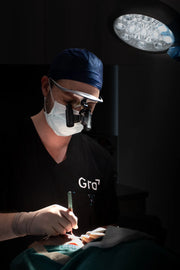
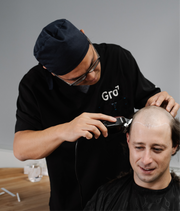
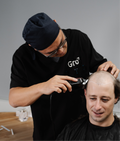
Hair transplants are medical procedures. In Australia, only a registered doctor—or a nurse under direct medical supervision—can legally perform them.
 If a clinic is using overseas technicians or cannot confirm the registration status of the person performing the treatment, they may be operating outside of legal and safety standards.
- Use the AHPRA public register to verify your practitioner
- Ask whether the procedure will be performed by a registered professional
- Avoid clinics that can’t provide clear answers
The “Houdini” Problem: Who Actually Performed Your Procedure?
Transparency is essential. Some clinics use images or case studies without confirming who did the work—or if that practitioner even still works there.
 Be cautious of:
- Results with no date or time since procedure
- New clinics showcasing outcomes from other practitioners
- No visibility over who’s actually conducting the procedure
Is the Clinic New or Unproven?
Hair transplants require experience. Clinics that are new to the market may be experimenting without a track record of safety or results.
 Before choosing a clinic, ask:
- Is this a new business, or does the practitioner have proven experience?
- Can I independently verify their past results?
- Are they using pricing or urgency to rush decisions?
How to Check Medical Credentials in Australia
You can confirm a practitioner’s registration on the AHPRA website. This ensures they are licensed to perform regulated health services like hair transplantation.
- Go to the AHPRA register
- Enter the practitioner’s full name
- Confirm their registration status
If they’re not listed, they’re not legally qualified to perform the procedure.
What a Responsible Hair Transplant Clinic Should Provide
A reputable clinic will give you full clarity about what to expect, including who performs the procedure and what technique will be used—such as FUE or FUT. Learn more about FUE technique.
You can also explore:
- Hair transplant costs
- Use your super for hair transplant
- Platelet-rich plasma (PRP) treatment
- Gro Clinics medical team
- Gro Clinics near you
Key Questions to Ask Before Booking
- Who will perform my procedure, and are they AHPRA-registered?
- How many grafts do I need based on my pattern of hair loss?
- What methods do you use, and how do you track results?
- What support and follow-up care are included?
Summary
Choosing a hair transplant clinic is not just about cost or convenience—it’s about your safety and long-term outcomes. Use the AHPRA register, ask the right questions, and make sure you know who’s performing your procedure.
To find out more about your options, book a consultation with the Gro Clinics team.