







When researching hair transplants, you may come across various claims about "success rates." However, these figures are often not defined clearly or consistently. Rather than focusing on success rate, a more meaningful metric is follicle survival rate—that is, the percentage of hair follicles that continue to grow after being transplanted.
Why Survival Rate Matters
The outcome of a hair transplant depends largely on the number of follicles that continue to grow hair after the procedure. Each person has a finite supply of donor follicles, and once transplanted, their survival is crucial for long-term results. Survival rate affects density, appearance, and future options for additional treatments.
How Follicle Survival Is Measured
Survival rate is generally defined as the proportion of transplanted hair follicles that grow visible hair after 12–18 months. However, outcomes vary due to multiple factors, including technique, handling of follicles, and individual skin physiology. There is no universal standard for measurement across clinics.
Factors That Influence Follicle Survival
Several clinical and procedural elements influence the survival rate of transplanted hair:
- Extraction method: Minimising trauma to follicles during removal supports higher survival.
- Graft handling: Prolonged exposure to air or heat, or excessive manipulation, may impact viability.
- Implantation technique: Direct implantation using fine tools can reduce mechanical damage and exposure time.
- Storage conditions: Follicles are often stored in a temperature-controlled solution to maintain viability.
- Clinician experience: Precision and consistency in technique can influence the overall outcome.
Hair Transplant Methods and Their Impact on Survival Rate
There are different methods of hair transplant, including:
- FUT (Follicular Unit Transplantation): Strip harvesting, which may carry a higher risk of scarring.
- FUE (Follicular Unit Extraction): Individual follicle extraction using small punches.
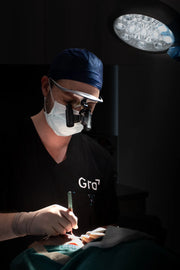
- PFP (Precise Follicle Placement): A Gro-specific approach that combines FUE with direct implantation using specialised tools. Learn more about Gro's method.
While survival rates vary, minimising follicle trauma and ensuring optimal handling conditions are known to support better outcomes.
At Gro, extracted hair follicles are stored in a temperature-controlled preservation solution, often used in broader medical contexts such as organ preservation. This solution helps maintain follicle viability while outside the body prior to implantation
Why Graft Conservation Matters
Every individual has a limited number of donor follicles. If grafts fail to survive, this reduces the availability for any future transplants. A conservative, clinically guided approach helps preserve grafts for optimal long-term planning.
What Happens to Follicles After Transplantation?
Post-procedure, it is normal for hairs to shed temporarily. This does not mean the follicles have failed. New growth typically begins within 3–4 months, with more visible results appearing between 6–12 months. A full evaluation is usually made at the 12-month mark.
Explore Your Options
Gro Clinics offers in-person and video consultations to explore your hair restoration options. All consultations are conducted by a Hair Growth Advisor, and any procedures are performed by or under the supervision of registered doctors.
To learn more, book a consultation or ask a question.
Clinic Locations