





If you’ve been researching hair transplant techniques, you may have come across the term “NeoGraft.” It’s one of several motor-assisted methods based on the well-established Follicular Unit Extraction (FUE) technique.
All hair transplants involve taking hairs from the sides or back of the head (where hair is typically more resistant to thinning) and placing them into areas affected by hair loss. The core principles of hair restoration remain consistent across most techniques, but tools and technology can vary.
How Does NeoGraft Work?
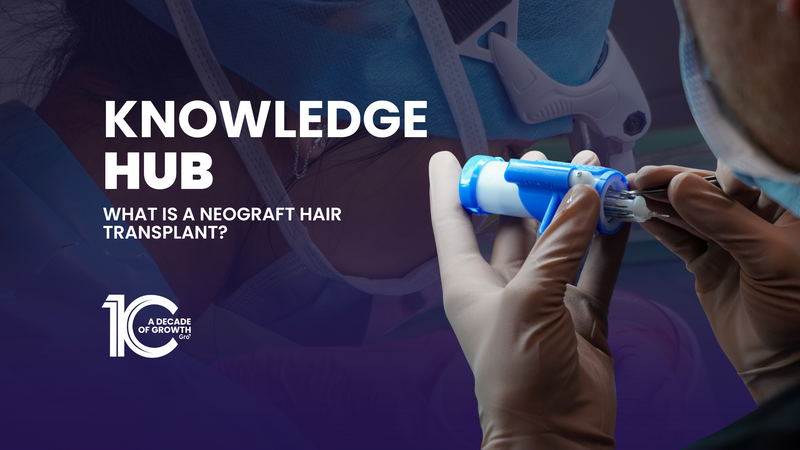
NeoGraft uses a motorised handpiece to assist with the removal of individual hair follicles from the donor area. This approach is sometimes referred to as “semi-automated” because the device facilitates part of the extraction process, but manual skill is still required for accuracy and follicle viability.
The technology is designed to help reduce manual effort and potentially shorten the duration of the procedure. However, outcomes can depend heavily on the experience and precision of the person using the device.
NeoGraft does not automate the entire transplant process. Implantation—the placement of follicles into thinning or balding areas—is still performed manually in most cases.
Considerations When Choosing a Technique
When comparing different techniques or clinics, it’s important to look beyond devices. Key factors that may influence outcomes include:
- The skill and training of the clinician or medical team
- The consistency and control during both extraction and implantation
- Post-procedure care and long-term support
If you’re exploring hair restoration options, you can learn more in a consultation with a Hair Growth Advisor. They can help guide you through available approaches, including whether a transplant is appropriate for your situation.
How the Gro Method Is Different
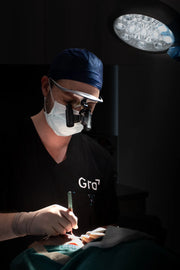
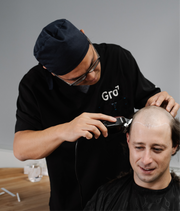
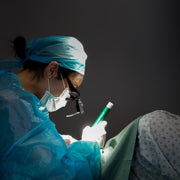
At Gro, our approach is based on a refined micro-transplant technique that also falls under the FUE category. What sets it apart is the focus on minimal disruption to the scalp and careful control over each step of the process.
- Performed by doctors: All procedures are performed by or under the supervision of registered medical doctors. Meet our medical team here.
- Micro-transplant precision: Each follicle is extracted and implanted by hand for greater control over angle, depth, and density.
- No scalpels or stitching: The method avoids cutting or stitching, which can make recovery gentler for many clients.
Results vary between individuals and are influenced by factors such as age, hair characteristics, and health status. Our process includes a suitability assessment and medical consultation to ensure a personalised plan is developed.
Where to Learn More
To explore what’s involved in a Gro hair transplant and whether it’s a potential fit for your needs, you can:
- Read about our method
- Explore superannuation access options
- Understand prescription-based haircare options
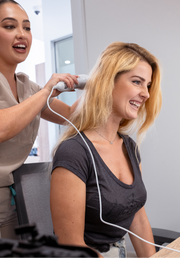
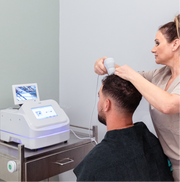
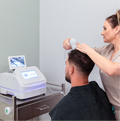
- See how LED therapy supports scalp recovery
- Book a 15-minute discovery call
Our Locations
Gro Clinics operates across major cities in Australia and New Zealand, including: