








Skip to content
Related Blogs
How to Choose a Safe Hair Transplant Clinic in Australia

Hair restoration is becoming more common in Australia, but not all providers meet the same medical standards. In this article, Dr Anwar from Gro Clinics Sydney explains the key red flags to look for when choosing a hair transplant clinic—so you can make a safe, informed decision.

Your Hair Transplant Timeline: What to Expect Before, During and...

Considering hair restoration? In this edition of Hair Loss 101, we walk you through what to expect before, during, and after a procedure at Gro Clinics, using our refined approach to follicular unit extraction (FUE) with a focus on precision and comfort.

Related Blogs
How Hair Grows: Anagen, Catagen, Telogen & Exogen Hair Phases

Ever wondered what’s really happening on your scalp? Hair doesn’t just grow—it cycles. In this edition of Hair Loss 101, we break down the science behind the four distinct stages of hair growth and why understanding them is essential to managing hair thinning or loss.

6 Common Causes of Hair Loss

The Norwood Scale, also known as the Norwood-Hamilton Scale, is the standard classification system for male pattern hair loss. Whether you're just starting to notice thinning or exploring hair restoration options, understanding the scale is a helpful first step. Here's everything you need to know.

Related Blogs
Best Foods to Support Healthy Hair Growth

A balanced diet plays a critical role in maintaining overall health—including the health of your hair and scalp. Nutritional deficiencies can impact the normal hair growth cycle, contributing to ex...

How Often Should You Really Wash Your Hair?

One, two, three, one, two, three, wash. How often should we really be washing our hair? Between how sensitive hair can be, and how easy it is to under-or overdo washing, we decided to deep dive int...

Related Blogs
10 Years of Hair Transplants in Australia: Gro Clinics’ Journey

In 2014, Gro Clinics opened its first hair transplant clinic in Sydney, aiming to change how Australians approach hair restoration. With one doctor and one nurse, our mission was clear: deliver ethical, medically guided care for hair loss. Today, that mission continues - across a national network of doctor-led clinics in Australia and New Zealand.

What We've Learned Over The Decade.

Over the past decade, Gro Clinics has grown from a single clinic to a network with locations in Sydney, Melbourne, Brisbane, Perth, the Gold Coast, and Auckland. Each clinic offers in-person consultations and assessments, providing personalised recommendations based on each client’s goals and medical needs.

0

Your cart is empty

Continue shopping
Back to all blogs

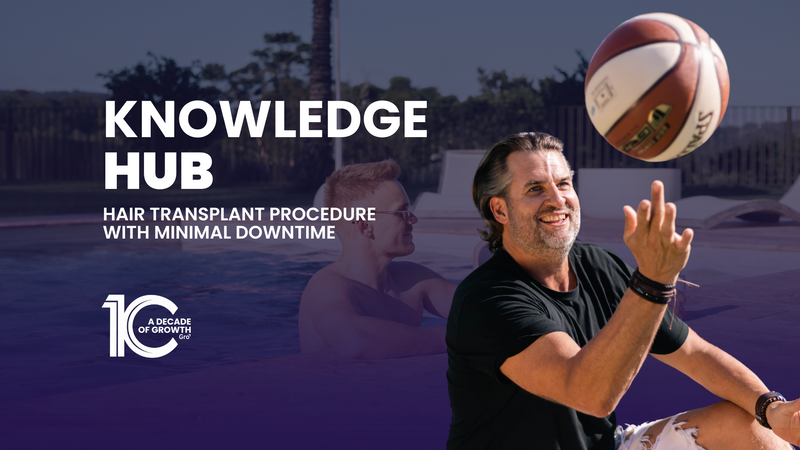
Hair Transplant Procedure with Minimal Downtime

Hair Transplant Procedure with Minimal Downtime

Jump To

Many people assume a hair transplant requires weeks off work. While this may be true for older methods, such as strip-based procedures, advancements in minimally invasive techniques now allow for significantly reduced recovery time. At Gro Clinics, we offer a modern approach to follicle implantation designed with comfort and healing in mind.

Why Recovery Times Differ Between Techniques

The amount of time needed to recover from a hair restoration procedure depends on multiple factors:

1. Preparation

Understanding your pre-operative instructions and following them properly helps reduce the risk of side effects such as swelling or infection. This preparation can influence how quickly you resume normal activities.

2. Extraction Method

  • FUT (strip) procedures involve incisions and sutures, which may require 1–2 weeks of downtime.
  • Traditional FUE often uses motorised tools that can increase scalp trauma.
  • At Gro, we use a specialised extraction method with manual tools under 1mm in diameter, reducing tissue damage.

3. Implantation Technique

Some clinics create slits in the scalp before placing the grafts. This can increase healing time and limit the ability to control depth, angle, and density. Gro’s approach involves direct implantation without prior incisions, allowing for precision and faster recovery.

4. Post-Procedure Care

Access to structured post-operative care and follow-up appointments is essential. Gro provides a complete care plan, including written instructions and clinical support at every stage.

How to Minimise Time Off Work

To reduce recovery time and the need for extended time away from work, consider the following:

  • Choose a minimally invasive procedure that avoids incisions or head shaving
  • Ensure the procedure is performed or overseen by experienced doctors
  • Follow all pre- and post-care instructions
  • Work with a clinic that prioritises patient education and aftercare

The Gro Micro-Transplant Approach

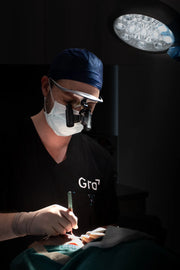
Gro’s hair restoration method involves a refined manual extraction technique and direct implantation process. Grafts are stored in a temperature-controlled environment and handled using instruments designed to support follicle survival. The procedure is performed by or under the supervision of a doctor to maintain quality and safety.

In most cases, clients can return to routine activities—including work—the following day. However, individual recovery can vary, and results depend on clinical suitability and adherence to aftercare protocols.

Consultation and Clinical Guidance

All consultations are conducted by a Hair Growth Advisor. During your session, they will assess your goals, hair characteristics, and lifestyle to determine the best approach—whether that includes treatment at one of our clinics or non-invasive solutions such as prescription hair care.

Gro Clinics Locations

To find out whether you’re a suitable candidate, book your consultation or ask a question.


Ready to book a consult?

BOOK A CONSULTATION

Ready to explore your options?

If you're considering hair restoration, you can book a 15-minute phone call with a trained Gro Clinics consultant.

We'll walk you through the process, answer general questions, and explain next steps if you're interested in an in-clinic assessment. This call is for general information only and not a medical consultation.

Prefer a phone call?

CALL US INSTEAD

Prefer a phone call?

CALL US INSTEAD