











Key Takeaways
- Vaping causes hair loss by reducing blood flow to follicles, creating hormone imbalances, and damaging DNA.
- The frequency of vaping and nicotine concentration levels directly impact the severity of hair loss.
- Quitting vaping is the most effective way to stop further hair damage, though regrowth isn't guaranteed.
Some lifestyle habits can cause unexpected side effects across the body. Smoking tobacco or e-cigarettes is particularly noticeable in causing health risks, but is hair loss included in these side effects?
Discover just how vaping and hair loss are related in this comprehensive article. We will walk through how an e-cigarette habit can damage hair health, but also how to stop its effects and treat hair loss.
Does Vaping Cause Hair Loss?
Regularly inhaling any type of tobacco has been proven to cause hair loss. E-cigarettes, like vapes, are included in these statistics, actively causing issues in the natural hair growth cycle and fibre pigmentation.
Even just being exposed to tobacco smoke can be detrimental over time. Nicotine exposure to healthy hair follicles can stunt their growth and potentially lead to thin patches forming.
Ultimately, both smoking vapes and regularly being exposed to their smoke have the potential to cause hair loss.
What is Vaping?
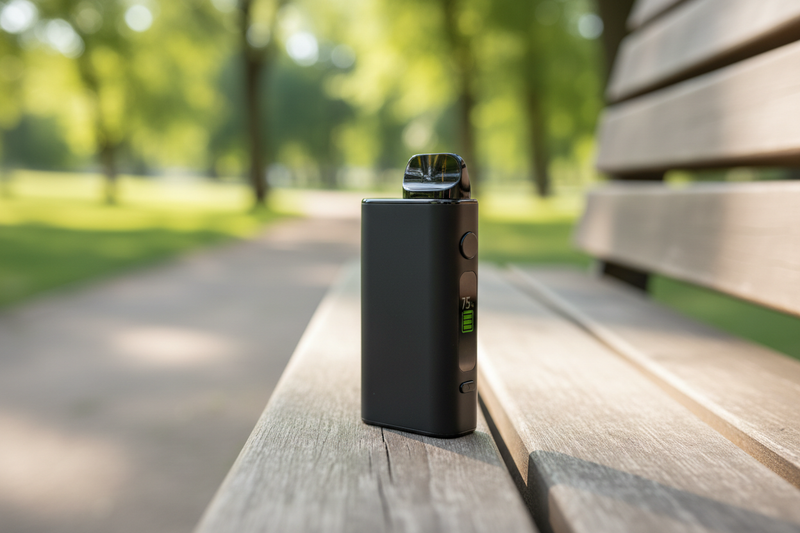
A type of e-cigarette, vapes are a battery-powered device that heats a liquid mix of chemicals to create an aerosol inhalant. The liquid typically contains nicotine, along with chemicals and flavourings to offer a unique smoke taste.
Vapes were originally marketed as a modern alternative for cigarette smokers, often stating that they contain fewer toxic chemicals. This has been disproven, with Australian research having since shown that vapes cause numerous health problems.
Vaping vs. Smoking: Is There a Difference for Hair Health?
Due to cigarettes being around a lot longer than vapes, there are plenty of studies into how traditional smoking can affect hair health. However, specific research into e-cigarettes has only begun recently, leaving a gap in understanding.
Generally, though, any inhalation of tobacco is proven to cause hair loss. Thus, its presence in e-cigarettes, along with other harmful chemicals found in the vapes, can be attributed to creating similar symptoms.
Hence, the differences each smoking tool causes in hair health are likely more dependent on how they're individually used. That is, the regularity of smoking, how long the person has been smoking for, nicotine levels, and other health factors are more likely to affect the rate of thinning hair.
How Does Nicotine Cause Hair Loss?
Now that we know that nicotine intake causes hair loss, it's time to understand how this chemical does it. There are plenty more studies available on how cigarette smoking is related to androgenetic alopecia, each identifying the following effects nicotine has on the body:
Reduced Blood Flow
The nicotine that vapes provide is known to tighten blood vessels in the body. While this impaired blood flow can cause various health issues, it's also known to prevent hair growth.
Reducing blood flow to hair follicles for long periods of time can also cause hair to fall out. Leaving you with thinner hair density and bald patches in extreme cases.
Imbalance in Hormones
Hair fall related to nicotine may also be caused by an imbalance in hormones. Namely, an increase in androgen production, which may lead to issues in hair regrowth.
Scalp Inflammation
While traditional cigarettes and vapes alike are known to cause lung problems, the inflammation of these organs can also spread to the scalp. When the scalp is irritated, it doesn't provide a healthy environment to grow new hair. Hence, potentially causing additional hair loss.
Damages to DNA
Direct evidence collected in studies has shown smoking to damage the DNA of hair follicles. Not only can this develop premature greying across the head, but it may also lead to hair loss.
Accelerate Baldness
For those already experiencing female or male pattern baldness, vaping can accelerate this hair loss process.
Once the natural hair life cycle has been damaged, it's harder to stimulate hair growth. With the negative effects of nicotine and other chemicals found in vapes, recovering from bald spots becomes harder without professional intervention.
Free Radicals & Oxidative Stress
Nicotine is also known to induce oxidative stress by generating free radicals within the body. When it comes to healthy hair follicles, these free radicals can disrupt their natural life cycle and accelerate hair loss.
What Else May Speed Up Vaping-Related Hair Loss?
We have begun to understand the relationship between vaping and hair loss. However, there may be other factors in your life or habits that accelerate this loss of hair.
The harmful effects of vaping on your hair may be encouraged through the following:
Vaping Frequency
General vaping habits may lead to some degree of hair loss, but excessive amounts of smoking may speed this process up. If you frequently vape or smoke, you may be increasing your risk of losing more hair.
Percentage of Nicotine Concentrations
Higher percentages of nicotine concentrations in a vape device can also accelerate the rate of hair loss. This is because the chemical is one of the most impactful ones on the health and growth rate of hair follicles.
Lifestyle Factors
Certain habits or behaviours in your daily life may also encourage further hair loss. Some common examples include:
-
Not maintaining a healthy diet and/or experiencing nutritional deficiencies
-
High amounts of stress regularly
-
Lack of sleep
-
Dehydration
You may help in preventing hair loss by altering these and other lifestyle factors for the better.
Genetics
While vaping is related to hair loss, some individuals may already be predisposed to experience thinning hair or baldness.
Conditions such as alopecia areata, androgenetic alopecia, and other types of pattern hair loss tend to be genetically passed down. If your family has a history of hair thinning or complete loss, this can affect the loss caused by vaping.
Hormone Imbalances
Nicotine is known to create hormone imbalances, such as an abundance of androgens. However, existing imbalances in hormones may also make hair follicles susceptible to damaging hormones such as dihydrotestosterone (DHT).
DHT has been directly linked to hair loss, meaning that maintaining hormone balance in the body can be beneficial for hair regrowth.
6 Ways to Stop Hair Loss Caused by Vaping
If you're concerned about hair loss caused by vaping, there are some steps you can take to prevent further damage. It's best to talk to a hair growth professional to determine the best course of action, but consider trying one or more of the following:
Method 1: Quit Vaping and Smoking
The first and most effective means of stopping hair loss caused by nicotine is to quit smoking. Completely quitting both traditional and electronic cigarettes is the best way to prevent the effects of the devices' harmful chemicals.
Ultimately, non-smokers may have a higher chance of not developing hair loss when compared to smokers.
Method 2: Stay Hydrated
Over time, vaping and smoking can dehydrate the body. Without sufficient water intake, blood flow to hair follicles becomes more difficult, leading to an inability to deliver crucial nutrients needed for growth.
Always stay hydrated, even if you continue to smoke, to encourage hair growth.
Method 3: Introduce a Balanced Diet
Further nutrients needed for continued growth can be supplied with a balanced diet. Avoiding vitamin and nutrient deficiencies can compensate for the reduced blood flow that smoking causes.
Eating fresh, healthy foods provides you with sufficient amounts of vitamins and antioxidants that aid in hair growth.
Method 4: Create a Healthy Hair Routine
Simply taking care of your hair may seem like an obvious step, but it can aid significantly in hair restoration or maintenance, even while vaping.
Create a care routine designed for your specific hair type and lifestyle habits. This can include:
-
Regular scalp massages to encourage blood flow
-
Avoiding excessive heat styling that can create dry, brittle hair
-
Using products that aid in hair regrowth
-
Taking prescription medications designed to prevent hair loss
Regardless of what vaping product you're smoking, creating a strong foundation of health can go a long way to supporting your hair's journey.
Method 5: Avoid Excess Sun Exposure
Additional oxidative stress to the hair may arise if it's constantly exposed to the sun. Be sure to cover your hair while outside to help your scalp heal and hair regrow while vaping.
Method 6: Undergo a Hair Growth Treatment
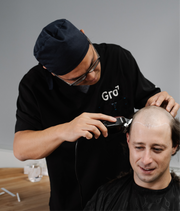
The final and most reliable treatment for hair loss is booking a professional hair transplant.
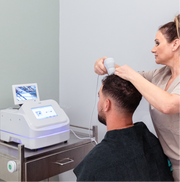
While there are several clinical forms of hair growth treatment, such as low-level light therapy or microneedling, a transplant is one of the more long-lasting measures. By using healthy hair follicles on the sides and back of your head, receding hair lines and bald patches may have their original density restored.
It should be noted that a transplant is only possible if you quit smoking first. Thus, it's always best to start with the first step in these methods.
Address Vaping-Related Hair Loss with a Trusted Hair Growth Clinic
Ready to begin your hair restoration journey and reverse the effects of vaping? Gro Clinics is here to support you every step of the way.
With free yet in-depth consultations available across Australia, you can conveniently access a professional assessment of vaping's effects on your hair. Through this information, our experienced staff will design a tailored hair growth plan that adheres to your desired goals. Our services focus on creating a strong foundation for future growth, so long as you're ready to quit vaping.
Learn more about how Gro Clinics can help with your vaping-related hair loss and schedule your first consultation.
Frequently Asked Questions
Will my hair grow back if I stop vaping?
Everyone's hair regrowth journey is unique, so there's no guarantee that your hair will completely grow back once vaping stops.
You may experience some degree of regrowth in the months or years after you quit smoking. However, the improved blood circulation and reduced inflammation levels in the scalp may generally benefit your hair's health.
Do vapes cause hair thinning?
Any type of nicotine inhalation, including vaping, has been proven to cause thinning hair or loss. The chemicals found in e-cigarette liquids are typically harmful to the body, and this includes the natural hair growth cycle.
Is vaping better than smoking for hair?
While further research is required to see the full effects of vaping on hair loss, any type of nicotine intake is harmful to hair health. Ultimately, it is better to avoid any type of smoking, whether that's traditional or electronic cigarettes.
What are the 5 negative effects of vaping?
Beyond causing issues in hair health, vaping causes several negative effects that smokers should be aware of. Every smoke can raise the following health risks:
-
Damage to the lungs
-
Developing a nicotine addiction and the withdrawal effects associated with it
-
Increase the chances of developing cancer
-
Potentially cause burns
-
Poisoning caused by nicotine
Does nicotine permanently damage hair follicles?
Long-term use of nicotine, whether it's through traditional cigarettes or vapes, may cause permanent damage to hair follicles. With reduced blood flow, scalp inflammation, hormone imbalances, and other health risks, it may be possible that follicles don't recover even after smoking is quit.