






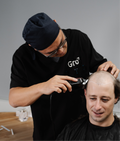

After getting a hair transplant, it's important to be mindful of the impact it has on your exercise routine. It's crucial to follow an appropriate exercise routine that minimises the risk of hair transplant complications while maintaining fitness.
In this guide, we'll explain the key considerations for safely exercising after a hair transplant and what kind of routine might be appropriate for you.
Key Takeaways
- In the aftermath of a hair transplant, it's important to carefully restrict your exercise in line with the advice of your hair restoration team. This allows you to avoid disruptions to the recovery process.
- As a general guideline, for the first 3 days or so after your procedure, you should prioritise rest. For the subsequent 3-4 days, some gentle exercise like light walking is generally advisable.
- 1 week on from your transplant, you can gradually raise the intensity of your exercises, in line with the recommendations of your hair transplant team.
- After approximately 1 month, you should be able to return to a more usual exercise routine.
How Do Hair Transplants Affect Your Exercise Routine?
Your exercise routine can have an impact on your hair grafts. Excessive sweating and strain during exercise may affect the success of your transplant grafts. The increased blood pressure from exercise may also negatively impact early recovery.
Additionally, scalp sensitivity is heightened after a hair transplant. This makes certain activities, especially those involving physical exertion, riskier during your recovery period.
In general, it's recommended to avoid the gym post-hair transplant for 7-14 days. This is because extra care is needed in gym environments to prevent complications. During this time, you should limit exercise to short, gentle walks.
When Can You Begin Exercising Again After a Hair Transplant?
It is best to take a staggered approach to resuming exercise after your transplant. You should discuss an appropriate routine with the team completing your hair transplant and stick to it.
Though the initial recovery process may be frustrating, sticking to recovery guidelines can help the long-term results of your transplant. Here's an example of a post-procedure exercise routine that might be appropriate for you:
- Day 1-3: In the immediate aftermath of your transplant, you should take as much rest as possible. Focus on staying hydrated and observing any directions from your transplant doctor, and minimise physical activity.
- Day 4-7: By this stage, you may be able to do some light activity, such as gentle walking, but not intense enough to sweat. Avoid anything touching your scalp and grafts.
- Day 7-14: You may now be able to do some light cardio, such as slow treadmill walking, light cycling, or walking. Heavy exercise, such as weightlifting, should still be avoided.
- Day 14-21: Elliptical machines, jogging and light bodyweight exercises may be appropriate to introduce to your exercise regimen. Intense workouts should still be avoided until the grafts are fully secure. Avoid any tight headwear (such as helmets and headbands), unless otherwise advised by your doctor.
- 1 month post-transplant: By now, you may be able to return to your normal workout routine. Most people can resume all physical activities, including lifting weights, CrossFit and high-intensity interval training workouts. Don't participate in activities like contact sports without explicitly consulting your hair transplant team.
Which Exercises Are Appropriate After a Hair Transplant?
Though the exercises you can do are affected by your stage of recovery, there are some light exercises that you can engage in shortly after your transplant. It may be appropriate for you to begin light walking 3 days after your transplant.
In the following days and weeks, with consultation from your hair restoration team, you might participate in activities like:
- Low-impact cycling
- Elliptical machines
- Treadmill work
Gradually returning to these activities can help you maintain your fitness and may support overall recovery. These should all be very low impact, as you do not want to produce too much sweat or strain, which could disrupt your transplant's success.
After around 1 month, you should be able to resume a normal exercise routine.
How to Exercise Safely in the Long Term
Once your hair transplant has completely settled, it's important to resume a normal exercise routine for your overall health. This plays an indirect role in improving scalp health.
When exercising outdoors, you should wear a hat (once you have reached a point where hats won't disrupt your grafts). This can protect your scalp from sun exposure, which can irritate the healing scalp.
When it comes to washing your hair (whether after intense exercise or in general), avoid harsh shampoos, hair treatments or heat styling. Keeping your scalp healthy is an essential part of aftercare to ensure optimal results and prevent complications.
One of the most important things you can do to support your hair transplant is to prioritise a balanced diet, hydration, and stress management. If any of these areas are severely lacking, it can affect your scalp health, as well as your overall well-being.
By maintaining a healthy lifestyle, you may be able to support your hair transplant and general hair health.
Book a Consultation with Gro Clinics
If you're experiencing hair loss, book a consultation with Gro Clinics today. Our experienced team will provide personalised care and guidance to help you find the right hair restoration solutions for you, including a hair transplant if appropriate.
Contact us today for a free consultation and see how we can help your hair transplant journey.
Frequently Asked Questions
How Many Days After a Hair Transplant Can I Go to the Gym?
In general, you can go to the gym 2 weeks after your hair transplant procedure, and do some light exercises. This is provided that you have not had any complications and are following your transplant doctor's advice.
What Happens if I Work Out Too Soon After a Hair Transplant?
If you work out too soon after a hair transplant, you could impact the long-term effectiveness of your hair transplant. Sweating can increase the risk of infection and irritation around your transplant areas. Exercising prematurely can lead to you dislodging hair grafts.
Can I Lift Weights After a Hair Transplant?
Yes. Provided that you are following doctor advice and there are no complications, you may be able to safely lift weights around 4 weeks after your hair transplant procedure has been completed.
How Long Does it Take to See Results After a Hair Transplant?
Results timelines depend heavily on individual patients. However, clear results from your hair transplant procedure may appear 3-4 months after your procedure. This is typically when early regrowth begins.
At 4-6 months, you may see increased density and start experimenting with new styles. From 6-9 months, you may see significant improvement in the thickness of your hair. After 12 months, the full results of your transplant may be evident.
Is a Hair Transplant a Long-lasting Solution for Hair Loss?
Yes. A hair transplant can be a long-lasting solution for hair loss. Your transplanted hair may continue to produce a natural, thick-looking appearance as you age. However, hair transplants will not prevent non-transplanted hairs from thinning.
Is it Possible to Undergo Multiple Hair Transplant Procedures?
It is possible to have multiple hair transplants. While hair transplant surgery is a long-lasting solution for thinning hair, you may benefit from multiple transplants as you aim to achieve your desired long-term results.
In addition, a hair transplant also does not stop any loss of non-transplanted hairs. As such, some patients may benefit from multiple transplants as they age and continue to lose hair.
What Side Effects Can Hair Transplants Have?
After your hair transplant, it's common to experience pain, discomfort and swelling. Generally, these can resolve themselves or be addressed with medication. Other side effects may include excessive bleeding, infection, and scarring.
You may also experience a temporary shedding of your newly transplanted grafts. This is a normal occurrence. If your procedure has been successful, your transplanted hair should regrow within a few months.
Always follow medical advice, and consult with your doctor if you experience any complications.
What Happens When You Sweat After a Hair Transplant?
When you sweat after a hair transplant, you can introduce bacteria to your newly placed follicles. These bacteria can lead to complications such as infection. In the immediate aftermath of a transplant, sweat can also disrupt your transplanted hairs.
Sweating can also disrupt the healing process and prolong your recovery time.
When Can I Wear a Hat After a Hair Transplant?
When it comes to wearing a hat after your transplant, you should follow the advice of your hair restoration team. It may be appropriate to wear a loose-fitting hat after around 1 week post-procedure, though you should only do so when necessary.
Avoid wearing tight-fitting caps, as they can disrupt the healing of your scalp. After around 1-2 months, you may be able to wear hats and other headgear without major restrictions.
Disclaimer: All medical procedures carry risks. Individual results vary. A consultation with a qualified health practitioner is required to assess suitability.