









Skip to content
Related Blogs
How to Choose a Safe Hair Transplant Clinic in Australia

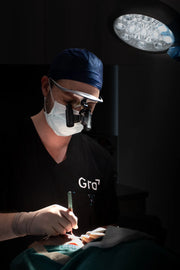
Hair restoration is becoming more common in Australia, but not all providers meet the same medical standards. In this article, Dr Anwar from Gro Clinics Sydney explains the key red flags to look for when choosing a hair transplant clinic—so you can make a safe, informed decision.

Your Hair Transplant Timeline: What to Expect Before, During and...

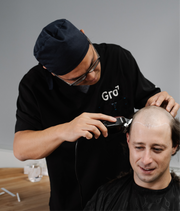
Considering hair restoration? In this edition of Hair Loss 101, we walk you through what to expect before, during, and after a procedure at Gro Clinics, using our refined approach to follicular unit extraction (FUE) with a focus on precision and comfort.

Related Blogs
How Hair Grows: Anagen, Catagen, Telogen & Exogen Hair Phases

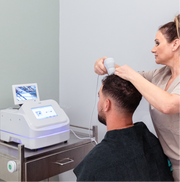
Ever wondered what’s really happening on your scalp? Hair doesn’t just grow—it cycles. In this edition of Hair Loss 101, we break down the science behind the four distinct stages of hair growth and why understanding them is essential to managing hair thinning or loss.

6 Common Causes of Hair Loss

The Norwood Scale, also known as the Norwood-Hamilton Scale, is the standard classification system for male pattern hair loss. Whether you're just starting to notice thinning or exploring hair restoration options, understanding the scale is a helpful first step. Here's everything you need to know.

Related Blogs
Best Foods to Support Healthy Hair Growth

A balanced diet plays a critical role in maintaining overall health—including the health of your hair and scalp. Nutritional deficiencies can impact the normal hair growth cycle, contributing to ex...

How Often Should You Really Wash Your Hair?

One, two, three, one, two, three, wash. How often should we really be washing our hair? Between how sensitive hair can be, and how easy it is to under-or overdo washing, we decided to deep dive int...

Related Blogs
10 Years of Hair Transplants in Australia: Gro Clinics’ Journey

In 2014, Gro Clinics opened its first hair transplant clinic in Sydney, aiming to change how Australians approach hair restoration. With one doctor and one nurse, our mission was clear: deliver ethical, medically guided care for hair loss. Today, that mission continues - across a national network of doctor-led clinics in Australia and New Zealand.

What We've Learned Over The Decade.

Over the past decade, Gro Clinics has grown from a single clinic to a network with locations in Sydney, Melbourne, Brisbane, Perth, the Gold Coast, and Auckland. Each clinic offers in-person consultations and assessments, providing personalised recommendations based on each client’s goals and medical needs.

0

Your cart is empty

Continue shopping
Back to all blogs

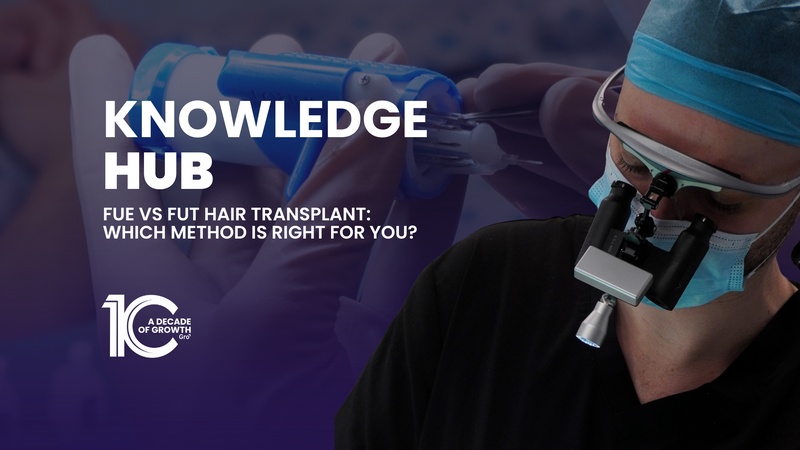
FUE vs FUT Hair Transplant: Which Method Is Right for You?

FUE vs FUT Hair Transplant: Which Method Is Right for You?

Jump To

Hair transplant procedures are increasingly popular in Australia, with many patients seeking natural-looking results through medically guided options. At Gro Clinics, we provide doctor-led consultations and treatments across our locations to support patients experiencing hair loss. In this guide, we compare the two primary hair transplant methods—FUE and FUT—to help you understand your options and what to expect.

Understanding FUE and FUT Hair Transplant Techniques

Follicular Unit Extraction (FUE) and Follicular Unit Transplantation (FUT) are both established techniques used to address thinning or receding hair. The key difference lies in how donor hair is collected and implanted during the procedure.

Aspect FUE FUT
Extraction Method Individual follicles are extracted using a punch tool and implanted into thinning areas. A strip of scalp is removed from the donor area and dissected into grafts for transplantation.
Scarring Tiny dot-like scars that are typically not visible with short hair. A linear scar at the donor site that may be visible with shorter hairstyles.
Procedure Time Usually takes longer due to individual graft extraction. Shorter procedure time as more grafts are extracted at once.
Cost May be higher due to time and labour intensity. Generally lower, depending on the clinic and extent of treatment.
Recovery About 5–7 days for most patients. Typically 10–14 days, due to the larger incision area.
Ideal For Patients seeking precision for small-to-medium areas. Patients requiring coverage for larger areas of hair loss.

What About PFP?

At Gro Clinics, we use a doctor-led technique called Precise Follicle Placement (PFP). PFP refers to a method of follicular unit extraction (FUE) where grafts are implanted directly using specialised tools, without prior channel incisions. This allows for placement control and consistency, but PFP is not a separate type of procedure—it’s a method used within FUE by Gro Clinics' medical team.

Aftercare for Hair Transplant Procedures

Regardless of whether you choose FUE or FUT, following your doctor’s aftercare instructions is essential to support healing and promote healthy growth. Common recommendations include:

  • Avoid smoking and alcohol for at least 7 days
  • Keep the scalp clean using recommended saline spray
  • Avoid strenuous exercise for one week post-procedure
  • Do not pick or scratch the scabs
  • Use mild, non-irritating shampoo after the initial recovery period

For more on supporting hair health, visit our prescription haircare page.

Cost of FUE vs FUT Procedures

Costs depend on several factors, including:

  • The number of grafts required
  • The complexity of the procedure
  • Whether additional sessions are needed

To learn more about pricing and flexible payment plans, visit our hair transplant cost page.

Which Procedure Is Right for You?

Choosing between FUE and FUT depends on your hair goals, donor availability, and medical assessment. A personalised consultation with the Gro Clinics medical team will help determine which procedure is appropriate for your unique case.

Book your consult to explore your options.

Ready to book a consult?

BOOK A CONSULTATION

Ready to explore your options?

If you're considering hair restoration, you can book a 15-minute phone call with a trained Gro Clinics consultant.

We'll walk you through the process, answer general questions, and explain next steps if you're interested in an in-clinic assessment. This call is for general information only and not a medical consultation.

Prefer a phone call?

CALL US INSTEAD

Prefer a phone call?

CALL US INSTEAD