










Skip to content
Related Blogs
How to Choose a Safe Hair Transplant Clinic in Australia

Hair restoration is becoming more common in Australia, but not all providers meet the same medical standards. In this article, Dr Anwar from Gro Clinics Sydney explains the key red flags to look for when choosing a hair transplant clinic—so you can make a safe, informed decision.

Your Hair Transplant Timeline: What to Expect Before, During and...

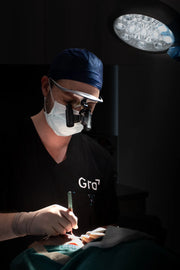
Considering hair restoration? In this edition of Hair Loss 101, we walk you through what to expect before, during, and after a procedure at Gro Clinics, using our refined approach to follicular unit extraction (FUE) with a focus on precision and comfort.

Related Blogs
How Hair Grows: Anagen, Catagen, Telogen & Exogen Hair Phases

Ever wondered what’s really happening on your scalp? Hair doesn’t just grow—it cycles. In this edition of Hair Loss 101, we break down the science behind the four distinct stages of hair growth and why understanding them is essential to managing hair thinning or loss.

6 Common Causes of Hair Loss

The Norwood Scale, also known as the Norwood-Hamilton Scale, is the standard classification system for male pattern hair loss. Whether you're just starting to notice thinning or exploring hair restoration options, understanding the scale is a helpful first step. Here's everything you need to know.

Related Blogs
Best Foods to Support Healthy Hair Growth

A balanced diet plays a critical role in maintaining overall health—including the health of your hair and scalp. Nutritional deficiencies can impact the normal hair growth cycle, contributing to ex...

How Often Should You Really Wash Your Hair?

One, two, three, one, two, three, wash. How often should we really be washing our hair? Between how sensitive hair can be, and how easy it is to under-or overdo washing, we decided to deep dive int...

Related Blogs
10 Years of Hair Transplants in Australia: Gro Clinics’ Journey

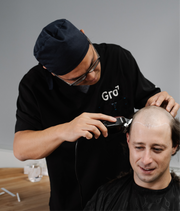
In 2014, Gro Clinics opened its first hair transplant clinic in Sydney, aiming to change how Australians approach hair restoration. With one doctor and one nurse, our mission was clear: deliver ethical, medically guided care for hair loss. Today, that mission continues - across a national network of doctor-led clinics in Australia and New Zealand.

What We've Learned Over The Decade.

Over the past decade, Gro Clinics has grown from a single clinic to a network with locations in Sydney, Melbourne, Brisbane, Perth, the Gold Coast, and Auckland. Each clinic offers in-person consultations and assessments, providing personalised recommendations based on each client’s goals and medical needs.

0

Your cart is empty

Continue shopping
Back to all blogs

Hair Loss 101: Decoding DHT - The Hidden Culprit Behind Hair Loss

Hair Loss 101: Decoding DHT - The Hidden Culprit Behind Hair Loss

Jump To

Welcome back to our Hair Loss 101 series, where we unravel the mysteries of hair loss, one strand at a time. Today, we’re starting at the root of the issue — literally. Let's talk about DHT, a major contributor to pattern hair loss.


Summary

  • DHT (dihydrotestosterone) is a potent hormone linked to hair loss. It contributes to miniaturisation of hair follicles and is strongly associated with male pattern baldness.
  • It typically affects the temples and crown, leading to a receding hairline or thinning crown.
  • Gro Clinics offers personalised treatment plans and education to help clients understand and manage the impact of DHT-related hair loss.

1. What is DHT?

Dihydrotestosterone (DHT) is a hormone derived from testosterone. It plays a vital role during puberty, but later in life it can contribute to hair follicle shrinkage — especially in individuals genetically sensitive to it. Over time, this leads to thinner, shorter, and weaker hair, a process known as follicular miniaturisation.

2. DHT and Hair Loss: The Connection

Hair loss linked to DHT is a form of androgenetic alopecia, the most common type of hair loss in men. As DHT binds to receptors in hair follicles, it gradually causes them to shrink. This results in a slower growth cycle and, eventually, follicles may stop producing new hair altogether.

3. Common Patterns of DHT-Related Hair Loss

Hair loss due to DHT usually starts at the temples and crown. Over time, these areas thin out, forming a more noticeable pattern. Understanding this progression early can support more effective treatment decisions and hair restoration planning.

4. Can You Manage or Reduce DHT?

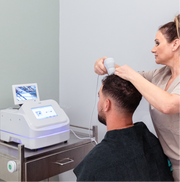
Some treatments — both clinical and medical — aim to reduce the production of DHT or prevent it from binding to hair follicles. These include prescription options and in-clinic treatments, which should only be pursued under the guidance of a health professional. Learn more about our prescription treatment approach.

5. Lifestyle Considerations

While lifestyle alone can't stop DHT, maintaining a balanced diet, managing stress, and reducing inflammation can support scalp health. As part of Gro's approach, these factors are often integrated into treatment discussions where appropriate.

6. Gro’s Personalised Approach

At Gro Clinics, we understand the biology behind hair loss. We don’t just treat symptoms — we look at the whole picture. That means helping you understand your hair growth patterns, scalp health, and options across in-clinic and at-home treatments.

Need support? Book your consult now to speak with our team: Book a consultation

Visit Us Across Australia and New Zealand:

Have questions? Call us on 1300 787 563

Ready to book a consult?

BOOK A CONSULTATION

Ready to explore your options?

If you're considering hair restoration, you can book a 15-minute phone call with a trained Gro Clinics consultant.

We'll walk you through the process, answer general questions, and explain next steps if you're interested in an in-clinic assessment. This call is for general information only and not a medical consultation.

Prefer a phone call?

CALL US INSTEAD

Prefer a phone call?

CALL US INSTEAD