







Key Takeaways
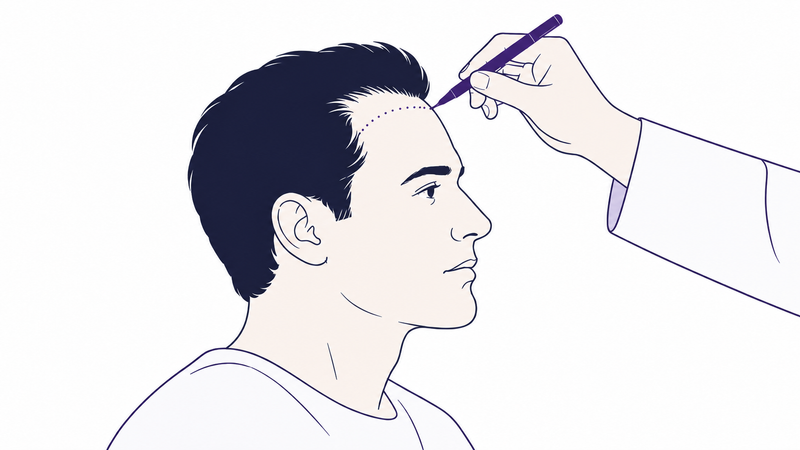
A hair transplant is a medical procedure where a qualified practitioner implants hair into areas of the head that are significantly thinning or bald. While there are various techniques available for hair transplants, each of them involves taking hair from one part of the body and grafting it into the targeted area.
It is natural to feel nervous before a hair transplant procedure. In this guide, we will explain how hair transplants work and answer common worries about safety and the process.
What is a Hair Transplant?
A hair transplant is a medical procedure commonly used to treat hair loss caused by balding, scalp inflammation or scarring. It is also known as a ‘hair restoration process.’ (1) The transplant procedure involves taking hair from the parts of your scalp that are more resistant to hair loss, most commonly from the back and sides of the scalp. Then, these hairs are implanted in the desired areas. After implantation, these hairs may begin growing as normal in their new placement, eventually gaining more volume and looking like normal, natural hair.
A hair transplant is not a cure for baldness, and it is not the only way to treat hair loss. (2) Other hair loss treatments include prescription drugs, therapies and other treatments. See our non-surgical treatments for more information.
When Do I Need A Hair Transplant?
Hair transplants are not medically necessary and won’t treat the underlying cause of hair loss. The best time for a hair transplant depends on your individual factors and scalp health. In some cases, the best time to plan a new hairline and graft implantation may be when your hair loss has stabilised.
Types of Hair Transplant Procedures
There are typically two types of hair transplant procedures: Follicular unit strip (FUSS) and Follicular Unit Extraction (FUE). (4)

Follicular Unit Strip Procedure
Also known as the ‘strip technique’, FUSS takes donor hair by extracting a narrow strip of scalp from the donor area. This area is then closed with fine sutures and the strip is dissected into individual follicular units. Those units are then implanted into the intended areas. It is typically most fitting when a large number of grafts are planned for a single session.
After this procedure, the scalp may be noticeably sore, tender or swollen. The process may also leave a noticeable scar where the scalp was removed.
Follicular Unit Extraction
In FUE, the practitioner typically numbs the scalp and then begins using a small tool between 0.6 to 1.0 mm wide to cut around each hair group. (5) Then, while ensuring they match your natural hair growth, these hair follicles are carefully placed into their new areas. The process leaves small dots where the extraction was, instead of one long scar. It is designed to minimise visible scarring.
At Gro Clinics, we use a refined approach to FUE called Precise Follicle Placement (PFP). This method is designed for precision and consistency in follicle implantation and aims to minimise visible scarring.
PFP is Gro's internal method under the broader FUE category and may not lead to different clinical outcomes. Results vary from person to person.
What to consider before having a hair transplant procedure
As with any procedure, there are several factors you should consider before committing to a hair transplant. These factors include:
- Hair loss conditions: A hair transplant will not prevent hair loss due to pre-existing conditions like alopecia areata. Any hair you have due to a transplant will still be affected by these conditions, and you may lose the implanted hair.
- Logistics: Be sure to get a comprehensive quote for the cost of a hair transplant procedure, and thoroughly check the qualifications and reputation of the clinic you are using and the staff they have on board.
- Donor hair quality: The final result of your hair transplant will depend on the quality of the donor hair being installed. If the hair at the back and sides lacks thickness, colour or density, you may not benefit from a hair transplant.
- Scalp health: Underlying inflammation, dermatitis or eczema may negatively impact your procedure. Be sure to address any underlying issues before committing to a transplant.
- Pre-procedure restrictions: Before your procedure, you may be required to stop smoking, drinking alcohol or caffeine, taking blood thinners or non-essential medications.
- Recovery period: Before booking a transplant, keep in mind that you will need time to recover after the procedure. Consider if you can afford the time off work, and remember that you may have a few small scabs or a tight scalp for a few weeks.
How a Hair Transplant Procedure Works: A Step-by-Step Guide
Finding The Right Hair Transplant Clinic
Before committing to a hair transplant, consider which clinic is most suitable for you first. A hair transplant clinic must have AHPRA-registered staff on hand and specialised qualifications in cosmetic procedures. (7)
After considering their qualifications, think about how you are getting to and from the clinic once your hair transplant procedure is done. How far is the clinic from your home? Is it accessible in case you have questions or would like more support during your recovery?
At Gro Clinics, we have performed thousands of hair transplant procedures across clinics in Sydney, Melbourne, Brisbane, Perth, the Gold Coast and Auckland. Our AHPRA-registered doctors oversee or perform every procedure. Your plan is developed based on your individual assessment, with support available before, during and after your procedure.
1. Booking
Book a 15-minute discovery call either over the phone or online. Just pick a time that suits you, and our AHPRA-registered team will be there to answer any questions or concerns you may have.
2. In-Clinic Assessment
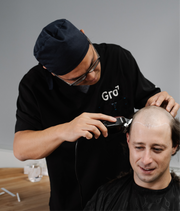
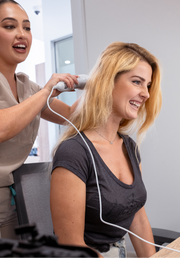
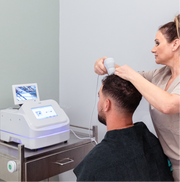
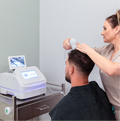
We will perform a full scalp evaluation and discuss the most suitable treatment for your desired results. We will plan a personalised treatment plan suited to your hair loss experience and health history.
3. Procedure preparation
Safety protocols and guidance form part of every procedure. Our preparations may include:
- Stop smoking two weeks before your procedure.
- Do not take minoxidil, vitamins or steroids for a week before the procedure.
- Do not take blood-thinning medication like warfarin, heparin or aspirin before your procedure. Please speak to your health professional before stopping and restarting these medications.
4. Hair Extraction
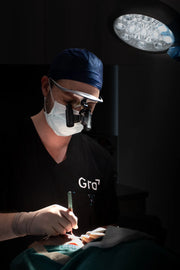
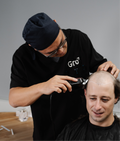
At Gro Clinics, we use a precise approach to follicular unit extraction called Precise Follicle Placement (PFP). This method involves:
- Extracting individual follicles from the donor area.
- Detailed planning during implantation to align each graft with the natural angle, direction and spacing of your existing hair.
This approach is designed to be long-lasting. Scarring, healing and results vary between individuals. As with any medical procedure, risks including infection, bleeding and temporary numbness apply.
5. Hair Implantation
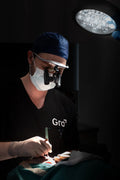
Before implantation, follicles are prepared under microscopic magnification, which is intended to support graft viability.
We use a specialised implanter tool to directly place grafts into the skin without needing to separate pre-cut slit channels. With this tool, we ensure each follicle is matched to the exact spacing, rotation and growth angle of your surrounding natural hair.
6. Recovery
After your procedure, the doctor will provide detailed instructions on post-procedure care to optimise healing and minimise any potential side effects. Our team will also be available to answer any questions or provide further support as you need it.
7. Post Recovery
Individual results vary, and results cannot be guaranteed. Typically, we may see the following timeline:
- Recovery phase: this phase typically lasts 1-3 months after your procedure. At this stage, you may experience temporary redness, swelling or itchiness, but these should settle with time. Your hair may shed as part of the natural hair cycle as your follicles begin to stabilise.
- Growth phase: After 3-6 months, your hair may begin showing noticeable signs of growth. However, at this stage, hair may appear finer or lighter as the texture gradually matures, and density and coverage may vary depending on individual factors.
- Final results phase: Within 6-18 months after your transplant, you may see your hair continually thicken and gain more texture, with the most notable visible changes happening around the 6-month mark. The outcome of your hair growth will depend on factors like genetics, age, lifestyle and adherence to aftercare.

The Gro Difference: Local Care vs Foreign Hair Transplants
Getting a hair transplant overseas in countries like Turkey or Thailand is common, but comes with its own downsides that may not be obvious at first glance. Before booking an overseas hair transplant, consider hidden costs like accommodations, flight expenses, travel time and how long you will need to take off work. You should also consider the healthcare standards of the country you are visiting, and if your chosen clinic has a positive reputation. (8)
Using a local clinic also gives you access to an immediate support network. At Gro Clinics, we are with you well after your procedure when a foreign clinic may not be available. Whether you have questions or need further support, we are easy to reach online, over the phone or in person. (9)
Why Choose Gro Clinics for Your Hair Transplant
We have treated thousands of clients across Australia and New Zealand. Our refined FUE approach is designed for natural-looking density. Donor-site marks vary between individuals.
Our doctors personally plan every procedure across all our clinics, and we use a structured payment plan so cost doesn’t stand between you and the results you want.
The Gro Clinics service includes:
- A free 15-minute discovery call with a hair growth advisor.
- An in-person clinic assessment and scalp evaluation.
- AHPRA-registered practitioners.
- Structured, in-clinic training and hands-on education before performing or assisting in procedures for all medical and clinical teams.
- A refined approach to FUE called PFP (Precise Follicle Placement), designed for precision and consistency in follicle implantation. Individual results and recovery times may vary.
- Flexible payment options for eligible patients.
- Post-procedure support and annual check-ins.
Frequently Asked Questions
How long will hair transplants last?
Typically, a hair transplant is designed for long-lasting results. This is because the transplanted follicles typically come from areas of the scalp that may be more resistant to the effects of balding hormones. However, transplanted hair may still be affected by age and the underlying cause of your hair loss if it was not addressed before the procedure.
Are hair transplants very painful?
A hair transplant is performed with local anaesthetic, and pain management options are available. Individual experiences vary, but some people report pressure, tugging or discomfort during the procedure, and stiffness from remaining in one position.
Mild discomfort or soreness in the donor and recipient areas may occur afterwards. Your doctor will discuss pain management with you.
Can you still go bald after a hair transplant?
Yes, you may still experience hair loss and baldness after a hair transplant. While hairs from donor areas are typically more resistant to balding, transplanted hairs may still thin due to genetic pattern hair loss. Hair transplants also do not affect any baldness you may experience in the future, and they will not treat the underlying cause of your hair loss.
What are the downsides of a hair transplant?
Some potential downsides of a hair transplant include:
- Expenses: Procedures may be expensive and are not covered by insurance. For those seeking a hair transplant overseas, expenses will also include time off work, flight fees and accommodations.
- Delayed results: It may take around 6-12 months to see the complete results of your hair transplant. You may also experience hair transplant shock loss, which is a normal response to the procedure.
- Recovery time: After your procedure, you may need to give yourself 7 to 10 days of rest. During this period, your scalp may develop small scabs and feel tight or tender.
- Potential risks: A FUT method may leave a noticeable scar, while FUE may leave smaller scabs that look like tiny dots. As with any medical procedure, there is a risk of infection, bleeding and temporary numbness.
Is 1 graft equal to 1 hair?
No, 1 graft is not equal to 1 hair. A graft is made up of a natural bundle of tissue called a follicular unit that contains 1 to 4 individual hairs, although some contain more. (4)
What happens 10 years after a hair transplant?
Transplanted hair may continue to grow 10 years after a hair transplant, but untreated hair around the area may continue to thin due to natural aging. Typically, transplanted hair should grow and behave like normal hair 10 years after a hair transplant.
Are hair transplants 100% safe?
While hair transplants are generally considered safe, there is no way to ensure they are 100% safe and completely risk-free. This is because, like any procedure, there are inherent risks and potential complications due to shock loss, anaesthesia, scarring or nerve damage.
At Gro Clinics, our AHPRA-registered doctors oversee or perform every hair transplant procedure. We use local anaesthesia, and safety protocols and post-care guidance form part of every procedure.
Can I touch my hair 7 days after a hair transplant?
Yes, you can touch your hair 7 days after your procedure, but be sure to do it very lightly and gently. Do not scratch or heavily rub your hair, and avoid picking at scabs. You should be able to touch your head normally 14 days after your procedure.
Disclaimers
PFP is Gro's internal method under the broader FUE category and may not lead to different clinical outcomes. Results vary from person to person.
Prescription haircare treatments are available following a consultation with a doctor to assess suitability.
Individual results may vary. A consultation is required to determine suitability.
Results referenced from clinical studies are population-level findings and do not necessarily reflect outcomes other patients may experience.
This information is general in nature and does not constitute medical advice.
References
- 1. Hair Transplant, Healthdirect, 2024
- 2. Patterned Hair Loss, Better Health Channel, 2023
- 3. Male Pattern Baldness, Healthdirect, 2024
- 4. Hair transplantation: Basic Overview, Journal of the American Academy of Dermatology, 2021
- 5. Follicular Unit Extraction Hair Transplant, PubMed Central (National Library of Medicine), 2010
- 6. Follicular Unit Extraction: Minimally Invasive Surgery for Hair Transplantation, PubMed (National Library of Medicine), 2002
- 7. Guidelines for Registered Medical Practitioners Who Perform Cosmetic Surgery and Procedures, Medical Board of Australia, 2023
- 8. Medical Tourism, Smartraveller, 2026
- 9. Sun, Sand and Cosmetic Surgery: Travelling for Medical Tourism, Smartraveller, 2026