










A receding hairline is a common concern for both men and women. In fact, 49% of women and 30–50% of men over 50 experience some form of hair loss in their lifetime. While hairline changes can be a normal part of ageing, early intervention may help slow progression and support scalp health.
This guide covers how to tell the difference between a maturing and receding hairline, common causes of recession, and treatment options to consider—from lifestyle changes to clinical solutions like hair transplants and prescription haircare.
Mature vs Receding Hairline: What’s the Difference?
Hairlines naturally change over time. A mature hairline is a gradual, stable shift that occurs with age—typically forming by your 30s. A receding hairline, on the other hand, is often more progressive and can be linked to genetic or hormonal hair loss.
Signs of a Mature Hairline:
- Hairline moves slightly higher on the forehead
- Symmetrical and stable over time
- May form a defined widow’s peak
Signs of a Receding Hairline:
- Hair loss begins at the temples and moves backward
- Uneven or M-shaped pattern may appear
- Associated with visible thinning or crown loss
If you’re unsure which category you fall into, a consultation with a trained hair specialist can help assess your hairline pattern and recommend appropriate next steps.
What Causes a Receding Hairline?
Hairline recession can be triggered by a combination of genetic, hormonal, and lifestyle factors. Common causes include:
- Family history of male or female pattern hair loss
- Hormonal changes (e.g. menopause, androgens like DHT)
- Chronic stress
- Inflammation or scalp conditions
- Frequent use of tight hairstyles or harsh hair products
- Smoking, poor diet, or nutrient deficiencies
- Certain medical treatments or health conditions
Understanding the underlying cause can help guide your treatment plan and improve outcomes.
How to Stop a Receding Hairline: Treatment Options
While not every form of hairline recession can be reversed, there are several evidence-based strategies that may help manage or slow its progression. These include:
1. Lifestyle and Diet Adjustments
- Reduce stress through sleep, exercise, and mindfulness techniques
- Eat a nutrient-rich diet with protein, zinc, iron, and B vitamins
- Avoid smoking and limit alcohol intake
- Stay well hydrated
- Wear hair naturally and avoid prolonged tight styles
2. Topical Treatments
Some people may benefit from topical options prescribed by a doctor. These may include solutions like minoxidil, which supports blood flow to the scalp and may assist with follicle activity.
View options at our prescription haircare page.
3. Oral Medications
Certain oral medications, such as finasteride or dutasteride, may be prescribed to manage male pattern hair loss. These work by blocking DHT, a hormone known to shrink hair follicles in genetically predisposed individuals. These options are not suitable for everyone and should only be used under medical supervision. Learn more here.
4. Hair Care Practices
- Avoid overwashing or excessive brushing
- Use gentle, sulphate-free shampoo and conditioner
- Incorporate regular scalp massages to support circulation
5. Hair Transplant Procedure
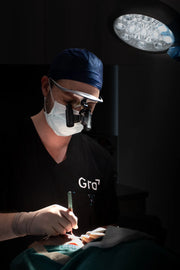
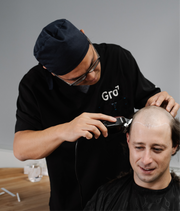
A hair transplant may be considered in cases of advanced or established hairline recession. At Gro Clinics, we use a refined FUE technique performed or overseen by medical professionals. A consultation is required to assess candidacy and tailor a treatment plan.
Results are typically visible within 6–12 months, and ongoing care may be recommended for supporting native hair.
6. Non-Surgical Treatments
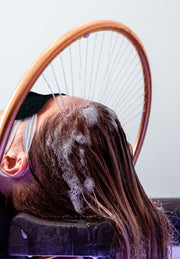
- PRP/PRF Therapy: Injections of platelet-rich plasma or fibrin to promote healing and follicle activity
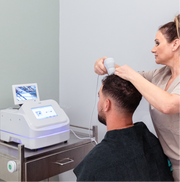
- LED Therapy: Light-based treatment that may support hair density when used regularly
- Scalp Micropigmentation: A non-surgical cosmetic option to improve hairline appearance
Why Early Intervention Matters
Hair loss is progressive. Once follicles become inactive, it can be difficult to stimulate new growth without surgical intervention. Addressing the signs of hairline recession early—whether through lifestyle changes or medical support—gives you a better chance of preserving your hairline.
If you’re noticing temple thinning, widow’s peaks forming, or a general backward shift in your hairline, now is the time to act.
Book a Consultation with Gro Clinics
If you're experiencing a receding hairline, Gro Clinics can help. Our medically trained team will assess your current stage of hair loss and provide a tailored plan based on your goals, lifestyle, and suitability for clinical treatments.
Book your free 15-minute consultation to learn more.