









What Is Telogen Effluvium?
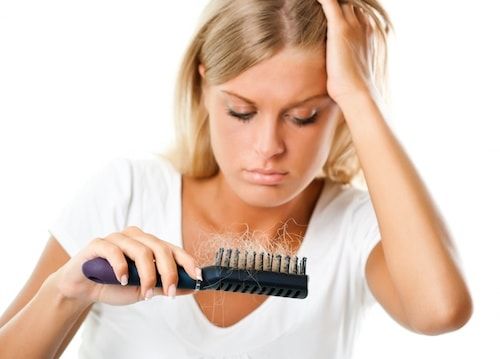
Telogen Effluvium (TE) appears as thinning hair, typically on the top of the scalp and is one of the most common hair concerns for women. The thinning appearance is due to more follicles going into the resting phase of the hair growth cycle which then leads to excessive shedding. This reduction in the number of follicles in the hair growth phase can be caused by a range of factors.
Leading trichologists (hair specialists) are seeing an increase in the frequency of reactive hair loss, also known as telogen effluvium. Thinning hair is a natural part of ageing, however younger people suffering from excessive shedding is becoming much more common. The excessive shedding occurs as a result of more follicles going into the telogen (resting) phase of the hair growth cycle, usually following some type of "shock" to the follicles.
As more and more consumers move towards narrower diets, and as social and professional stress levels seem to be greater than ever before, the frequency in the number of cases of thinning hair is increasing. Read on as we define telogen effluvium, explain its causes and how you can prevent and treat the condition.
If you are concerned about hair loss, speaking with a specialist is the best first step. Our team can help identify the cause and recommend the most appropriate treatment for your situation.
Causes
What makes this condition even more challenging to diagnose is that the onset of noticeable shedding usually happens several months after the significant event (loss of a loved one or job loss, for example) or change in diet. Fad diets, along with the increase in veganism and vegetarianism, are leading causes for excess shedding in young women. The hair needs nutrients, minerals and protein to grow and stay healthy. When the body is lacking in essential nutrients and protein, the hair suffers as it is not an essential tissue. The follicles are starved of what they need to grow, hence they are forced into the resting and then shedding phase. This cycle takes approximately 2–4 months, which explains why the hair loss is noticed much later than the actual cause.
Key reasons people suffer from TE include:
- Stress
- Fad diets
- Diet lacking adequate protein
- Diet lacking essential nutrients and minerals, such as iron
- Illness or fever
- Emotional shock
If you are suffering from hair loss, think about what event happened approximately 3 months prior. Were you grieving or did you endure another very stressful event? Did you go on a juice fast? Or perhaps you were ill.
How Can I Treat or Prevent My Hair From Thinning?
Ensuring your diet includes enough nutrients and protein is important. If your system is lacking or not absorbing enough nutrients, excessive shedding can be triggered. Even minor nutrient deficiencies can cause your body to withhold nutrients from the hair, as the body can survive without it. Many people seeking advice for excessive shedding can otherwise appear fit and healthy.
To naturally include all 8 essential amino acids in your diet, fish and eggs are ideal. Vegan and vegetarian diets make it much more difficult to get the range of amino acids required for healthy hair. Iron is also important for healthy hair and we see many women who are deficient. Absorbing iron from leafy vegetables can be challenging for the body, so red meat or a supplement may be required.
Reducing stress levels, regular exercise and looking after yourself will also help to reverse TE. The critical point is to ensure you have a correct diagnosis.
Seek Specialist Advice
Never assume that you have telogen effluvium. A medical diagnosis is imperative to rule out any other causal factors. Speak to the hair loss experts at Gro Australia. You can contact a hair restoration specialist at any of our Gro clinics in Sydney, Brisbane, Melbourne or Gold Coast, or call 1300 787 563.
Next Steps
To book an appointment for your hair loss diagnosis with a Gro hair growth specialist, book a consultation online or give us a call on 1300 787 563. We have clinics across Australia and New Zealand, including:
- Hair transplant clinic in Brisbane
- Hair transplant clinic in Gold Coast
- Hair transplant clinic in Sydney
- Hair transplant clinic in Melbourne
- Hair transplant clinic in Perth
- Hair transplant clinic in Auckland
Ready to take the next step?
Book your consultation online today, or ask us a question and we'll be happy to help.