











Key Takeaways
- A 2018 National Study confirmed that 7,000 chemicals are released from smoking tobacco.
- A 2020 systematic review of smoking and hair loss results shows that inflammatory changes may contribute to a higher occurrence of scarring alopecias.
- 2022 UK Government research shows smokers have around 5 to 10% baseline carbon monoxide, compared to non-smokers’ 1 to 2%, which can narrow blood vessels carrying oxygen to the hair follicles.
- A 2024 study found that smoking damages DNA, which may weaken hair follicles and the normal growth cycle.
- Multiple observational studies concluded that premature greying is 2-2.5 times more likely for smokers.
Hair health can be affected by many lifestyle choices, but one that can be surprising to many is smoking. The health risks of tobacco smoke are typically common knowledge, but the science behind the hair loss side effect is sometimes overlooked.
Our article combines medical research and insights to answer the question: Does smoking cause hair loss? We break down how smoking affects the hair growth cycle, causes hair damage and how to treat it.
How does smoking contribute to hair loss?
A healthy hair growth cycle needs a balance of nutrients, blood flow and energy to smoothly transition through each phase. Smoking releases more than 7,000 chemicals into your body, which can disrupt the balance and weaken the hair growth cycle.
A normal hair growth cycle is as follows:
-
Anagen growth phase: around 85-90% of hair follicles are in this stage at any one time, and it lasts around 2-6 years.
-
Catagen transition phase: around 1-2% of hair follicles shrink in the transition phase, which lasts around 1-2 weeks.
-
Telogen resting/shedding phase: around 8-15% of follicles become inactive and eventually shed when a new hair pushes through.
Here's how smoking can affect the cycle and contribute to hair loss:
1. Reduced Blood Flow
A healthy scalp and follicles need a rich supply of blood to carry necessary nutrients for growth:
-
Nicotine can narrow blood vessels, reducing blood flow to the scalp.
-
Carbon monoxide, the poisonous gas produced when tobacco burns, can lower the blood's oxygen-carrying capacity. Gov UK research shows that in non‑smokers, the baseline is around 1 to 2%, while in smokers it is around 5 to 10%.
-
Long-term damage to blood vessels (chronic microvascular damage) can disrupt the hair growth cycle, leading to a reduced anagen (growth) phase. Follicles may transition more quickly into the telogen (resting/shedding) phase.
2. Chronic Scalp Inflammation
-
Smoking may increase inflammation around hair follicles, which throws off the “traffic signals” that control the hair cycle. It can lead to more follicles lingering in the resting phase and fewer cycling back into growth.
-
A systematic review of smoking and hair loss showed that, over time, inflammatory changes may contribute to a higher occurrence of scarring alopecias, leaving the follicle unable to regenerate.
3. Oxidative Stress and DNA Damage
-
Cigarette smoke contains free radicals, which are unstable molecules that have one or more unpaired electrons. They essentially “steal” electrons from nearby molecules, causing oxidative stress to follicles.
-
Sustained oxidative stress damages DNA, proteins, and nutrients, which weakens the hair follicles and the normal growth cycle.
4. Hormonal Imbalances
-
It's more widely known that hormone imbalances can lead to male hair loss or female pattern hair loss.
-
Smoking may increase sensitivity to dihydrotestosterone (DHT), a byproduct of testosterone. DHT can bind to hair follicles and cause them to shrink (this process is known as follicle miniaturisation).
5. Impaired Nutrient Delivery and Absorption
Healthy hair requires essential nutrients such as iron, vitamin C, zinc, B-vitamins and more.
-
Narrow blood vessels can mean that fewer nutrients are reaching the hair follicles.
-
Some smokers can experience nutrient deficits due to reduced absorption, which can lead to a short anagen growing phase and cause shedding.
Does vaping cause the same hair loss as smoking?
Many assume that vaping is better for your health than smoking, but the risks to hair health may be the same as smoking.
Although specific research on vaping and hair loss is limited compared to cigarette smoke, generally, any type of tobacco smoke can lead to weakened hair health.
Combined Lifestyle Choices Affecting Hair Growth
Some lifestyle choices can affect hair thinning or loss, especially when paired with a smoking addiction:
-
Poor sleep: Chronic sleep deprivation can lead to increased stress, which studies show can impair hair growth.
-
Alcohol: Heavy alcohol use can reduce key nutrient absorption needed for healthy hair.
-
Unhealthy diet: Poor diets can lack essential nutrients, which studies show can lead to a weakened growth cycle.
Smoking and Premature Greying
Smoking can prematurely age the pigment cells in your hair, so your natural colour is lost earlier than it would have been. The free radicals, oxidative stress and reduced blood flow effects from smoking may all impair melanin production. Multiple observational studies report that smokers are 2-2.5 times more likely to develop premature greying compared to non-smokers.
Can hair loss from smoking be reversed?
Recovery depends on how long and how heavily you smoked, your genetics and how much permanent damage has been done. For some people with mild to moderate shedding, quitting smoking early may help reduce further damage and may allow hair growth cycles to stabilise in some individuals.
Those with more long-term hair loss or damage may struggle to reverse the damage just by quitting smoking. Additional treatments, such as Low-Level Light Therapy (LLLT), Growth Factor therapy or Hair Transplants, may support the stabilisation of your growth cycle.
Treatments for Hair Loss After Smoking
Hair loss treatments may be an option for those who have experienced severe hair loss from smoking. Although hair loss may not be completely reversible after quitting, procedures and non-surgical treatments may support your hair health in the long term.
All medical procedures carry risks. Individual results vary. A consultation with a qualified medical professional is required to determine whether a treatment is appropriate.
Hair Transplant
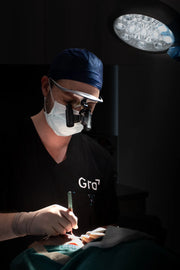
If you've experienced long-term hair loss due to excessive smoking, then your hair follicles may be permanently damaged. A hair transplant procedure may help improve the appearance of hair density and coverage for suitable candidates.
Gro Clinics follow a refined FUE-based technique focused on precise follicle placement, designed to match your natural hair pattern. Our free initial consultation will analyse your hair health, smoking history, and general health to create a suitable and tailored hair treatment plan for you.
It’s a medically informed approach that may support hair restoration following smoking-related hair loss.
Non-surgical Treatments
If a hair transplant is not your preferred option, there are other treatment options to support your hair restoration plans after smoking:
-
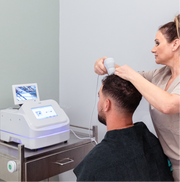
Low-Level Light Therapy: Uses red light technology that may be included as part of a broader hair management plan, depending on individual circumstances.
-
Growth Factor Therapy: Key growth factors are applied to the scalp that may help to improve scalp condition and maintain hair follicle function.
-
Scalp Micropigmentation (SMP): Micro-needles deposit pigment into the scalp to mimic the appearance of natural hair follicles.
An initial consultation allows a qualified clinician to assess your hair loss and determine whether treatment options may be appropriate.
Speak with a qualified practitioner about smoking-related hair loss concerns.
Experiencing hair thinning or loss after smoking can be a worry. Whether you have early-stage hair loss or more permanent hair loss from smoking, our specialists can discuss your concerns and provide clarity on all treatment options.
Clinics are available across Australia, and consultations can be in person or online. During the initial consultation, our specialists will analyse your hair changes, smoking history and other factors causing hair loss and create a personalised treatment plan.
Gain the support of specialists when you're worried about smoking and hair loss.
Frequently Asked Questions
Will my hair grow back if I quit smoking?
It depends on how long and how much you smoked, as well as other genetic factors that may affect your hair health. Regrowth is never guaranteed, but quitting smoking is recommended to prevent further damage to hair follicle cells.
How long until I see results after quitting?
If hair loss is smoke-related, you may start to see less shedding within 3-6 months. More noticeable growth could take up to 24 months or longer if there are other factors affecting your hair loss.
How many cigarettes a day are safe for hair?
There's no research to show that there is a "safe" amount of cigarettes you can smoke a day for hair health or general health. Some studies show that even light smoking can affect hair growth or accelerate hair loss.
Does smoking make hair look dull and brittle?
Yes, smoking can make hair look dull, drier, and more brittle over time. Impaired blood flow and nutrient absorption can reduce oil production and natural shine.