












Key Takeaways
- Modern transplants look natural, not fake - Unlike outdated hair plugs, today's techniques use individual follicles placed precisely to match natural growth patterns, creating realistic results that blend seamlessly with existing hair.
- The procedure is accessible and comfortable - Hair transplants are now affordable and available across Australia, use local anaesthetic to minimize pain, and only require your own hair (never someone else's).
- Results take time but are long-lasting - Full growth appears within months (not immediately), transplanted hair can be styled and dyed normally after recovery, and both men and women of various ages are eligible for treatment.
Undergoing a hair transplant surgery can be nerve-racking for any Australian, especially when you hear plenty of stories and concerns around the procedure. That's why we've broken down twelve of the most common myths around hair transplants in this guide.
Read on to learn fact from fiction, and begin your hair restoration journey with a complete understanding of the transplantation process.
What is a Hair Transplant Procedure?
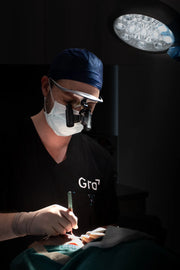
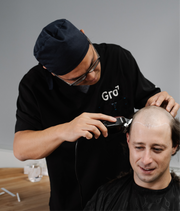
Fundamentally, a hair transplant procedure works by taking sufficient donor hair from healthy parts of the scalp and transferring it to the target area. Most modern techniques use thin strips of healthy hair follicles to transplant, targeting thinning hair or balding areas to promote new growth.
Generally, a hair transplant is performed through the following steps:
-
An initial consultation that gathers information about your:
-
Medical history
-
Hair growth goals
-
Hair loss pattern
-
Potential factors that may influence your final result
-
Individual hair follicles are taken from a donor area, often along the sides and back of the scalp, depending on their health
-
The hair follicles are transplanted in bald or thinning areas, following the natural growth pattern of existing hair to blend in better
-
Tailored aftercare instructions are provided to support hair growth and maintain comfort during the recovery period
While seemingly a simple procedure, there are still a significant number of hair transplant misconceptions being shared in the public. For some without prior knowledge of transplantations or concerns about the procedure itself, these myths may deter them from taking the initiative to address their hair loss.
Thus, debunking hair transplant myths is crucial for feeling confident and taking the initiative to restore your hairline.
Why Do Australians Undergo a Hair Transplant?
There are several reasons why Australians are interested in undergoing a hair transplantation procedure. While individual motives can differ, you may also be interested in the procedure due to:
-
Concerns about your appearance or hair health
-
A family history of hair loss, especially female or male pattern baldness
-
Interest in long-lasting and low-maintenance results, rather than wearing wigs, taking daily prescription medications, or undergoing non-surgical treatments that often only last in the short term
-
Hair loss caused by injury, disease, lifestyle factors, or other medical conditions
-
Local accessibility to professional treatment, rather than needing to travel overseas for care
-
Recent advancements in hair loss technology, such as Follicular Unit Extraction (FUE), Follicular Unit Transplantation (FUT), or Precise Follicle Placement (PFP), are more trusted over outdated procedures like hair plugs
Regardless of their reasons, any Australian should feel comfortable in reaching out to a local hair transplant clinic. That's why we have taken the initiative to debunk common myths below, while also educating readers on the safety and accuracy of professionally growing new hair.
Myth 1: Hair Transplant Results Look Fake
Some Australians are reluctant to undergo hair transplantation treatment due to concerns about how the final result will appear. Namely, that the new hair growth won't blend in with their natural appearance.
This myth likely persisted due to the historical results of hair plugs. This outdated procedure used circular grafts to plug into the donor area, rather than individual hair follicles like modern transplants do. The imprecise and uneven transplants caused by these plugs would create an appearance of doll-like hair – hence, the belief that hair transplant results look fake.
Fact 1: Hair Transplant Results are Designed to Appear Natural
Modern hair transplant techniques actually maintain a strong focus on providing natural-looking results. That's why transplant procedures are done with individual follicular units, aiming for precise placement that follows natural hair growth patterns.
The transplanted grafts are designed to blend into the surrounding hair, matching existing hair density and growth direction. While realistic expectations are always set before a transplant begins, the results tend to look more natural when done by experienced professionals.
Myth 2: You Have to Travel to Turkey for a Hair Transplant
Once upon a time, Australia wasn't known as the reliable and affordable provider of hair transplants that it is now. Instead, Turkey was believed to be one of the only destinations that offered cost-effective transplants, even with the cost of travel and accommodation included.
Fact 2: Local Hair Transplant Clinics are Available Across Australia
Australia is now home to cutting-edge hair transplant technology and experienced professionals. All of which are often conveniently available locally and at affordable prices.
Gro Clinics is one such provider, with locations available across Australia's major cities and into New Zealand.
Myth 3: Transplanted Hairs Never Grow Back
Removing hair for transplantation doesn't mean they will never grow back, unlike what some outdated myths may make you believe. With modern transplant techniques becoming more accurate, the removal of healthy hairs is typically done without damaging the growth potential of the follicles.
Fact 3: Transplants Don't Damage the Scalp
The precision of the transplant's strip method of hair follicles means that the donation site is intended to heal with minimal side effects. This includes any changes to the area's existing growth patterns.
Your natural hair should grow back as expected after a transplant, including the hairs that were removed for a transplant. If your hair isn't growing back as expected, it's best to contact your chosen clinic as soon as possible.
Myth 4: The Procedure Requires Donor Hair from Someone Else
With wigs and toupees capable of being made from someone else's hair, it's not a surprise that this common misconception persists. After all, without proper research, it may be hard to know where the donor hair for a transplant comes from.
Fact 4: Only Your Hair is Used for Transplants
Regardless of what myths are spread, hair transplants always use your own natural hair to encourage growth in the target areas. Never anyone else.
In fact, donor hairs are almost always collected from the sides and back of the head. Although it's possible in rare cases to use your own body hair, this isn't recommended due to the difference in hair textures and growth patterns.
Myth 5: A Transplant is Extremely Painful
Just the name 'hair transplant surgery' inspires the idea of a complex procedure. So, it's not a surprise that many people strongly believe that transplanting hair will also be painful, especially when compared to non-surgical options.
This belief may also stem from the public not knowing that a local anaesthetic is always used for treatment. Instead, they may think no numbing solution is offered for their comfort, and instead, they must simply brave the pain.
Fact 5: Patients' Comfort is Always Prioritised
Before treatment, your hair transplant doctor will discuss how the transplantation process will occur. This includes explaining and offering options to soothe discomfort during and after treatment.
Local anaesthetic is generally provided to minimise discomfort during the transplantation process. While comfort levels vary between individuals, most patients report minimal pain.
Additional support is provided after treatment and during the recovery period. Recommendations for over-the-counter pain relief are supplied, as well as proper aftercare instructions for the first few weeks of recovery. By following this advice, you should experience an efficient recovery with minimal discomfort.
Myth 6: Results are Immediate and Come With Full Recovery of Hair
Although it would be incredibly beneficial for hair transplants to provide immediate results, this is just a popular myth. Donor hair grafts may be healthy follicles, but they don't provide a permanent and full head of hair right away.
Fact 6: Hair Transplant Results Take Time & Care
Integrating transplanted hair into the donor site takes some time, with the recovery timeline differing between individuals. However, most patients may expect healthy hair growth that improves natural density within a few months.
Not only does a hair transplant take time to grow, but specific care is required for optimal results. Your clinic will provide detailed aftercare instructions post-procedure, which should be followed to maintain your overall well-being and hair's development.
Some general methods to support hair transplant recovery include:
-
Gentle hair care products, washing habits, and brushing routines
-
Avoiding excessive sun or sweat on the transplant site
-
Not picking or touching the healing grafts
-
Avoiding tobacco and alcohol for some time
-
Not exercising or entering bodies of water like pools and saunas for at least a month
Myth 7: Transplanted Hair Can’t be Styled, Dyed or Washed Like Before
Despite the procedure using your natural hair for transplantation, some still believe the donated hair to be fragile or incapable of the same care as it was before. While certain care and gentler products are required post-procedure, you can treat your hair as you once did after a full recovery. This includes styling and dyeing it as preferred.
Fact 7: Fully Recovered Transplants Work Just Like Natural Hair
Once you have made a full recovery from your transplant, you can treat your hair as you desire. For some, this is using particular styling products or tools such as straighteners or hair mousse. In other cases, it's getting to dye or bleach the hair particular colours.
Men and women alike can enjoy making the most of their transplanted hair once their doctor signs off on a full recovery.
Myth 8: Only Young People Can Receive a Hair Transplant
Hair loss is often synonymous in the public's mind with getting older. However, it's not just age that causes hair thinning or baldness. Other factors like genetics, hormone changes, lifestyle choices, and many more can all cause a person to lose hair prematurely – even at a young age.
Alongside the belief that only older people experience hair loss, it's often thought that hair transplants can only be performed on those of a certain age; that younger patients can't successfully receive transplanted hair.
Fact 8: Age Doesn't Impact Eligibility
Fortunately, you don't have to wait until you're older to receive a hair transplant. In fact, age isn't the defining factor for eligibility.
So long as you have enough healthy hair to transplant, and your hair loss patterns have stabilised, you should be able to undergo the procedure. It may take some years for your losing patterns to stabilise, but this can happen anytime between your 20s and 40s on average.
Check with a hair loss professional to determine whether you're eligible for a transplant.
Myth 9: Women Can’t Receive a Hair Transplant
One of the strongest misconceptions about hair loss is that only men are affected by it. This ignores the existence of female pattern baldness, hormonal changes, and even postpartum hair loss, all of which can impact women at various ages.
Due to this myth, many women may have been discouraged from seeking out professional solutions to their thinning hair or baldness.
Fact 9: Both Men and Women are Eligible for a Hair Transplant
So long as men and women have enough donor hair and no existing conditions that can impact treatment, they are eligible for hair restoration procedures.
However, a personalised approach to treatment is always recommended as everyone's hair is unique. Thus, men and women alike deserve a procedure tailored to their hair's unique density, texture, and growth patterns.
Myth 10: Professional Transplants in Australia are Expensive
High costs are often thought to be a normal part of Australian hair transplants. Many believe the procedure to be affordable in overseas countries like Turkey, even with travel and accommodation costs included.
This myth may have been true in years past, but a hair transplant has since become an affordable procedure for everyday Australians.
Fact 10: Hair Transplants Can Be Cost-Effective Solutions
Rather than consistently paying for ongoing treatments, choosing a one-time and potentially permanent solution may save you more overall. Hair transplants have also become more accessible in Australia, allowing you to pay less for professional treatment.
Additionally, hair transplant clinics may offer flexible payment options. This can help lower costs for those who need financial support.
Myth 11: Further Hair Loss is Permanently Prevented
It's often thought that a hair transplant means no further loss of hair thickness or growth. Once it's performed, you will never experience any hair loss in the future.
The results of a transplant indeed tend to be long-lasting, but it doesn't prevent hair loss from occurring in other areas of the scalp.
Fact 11: Other Areas May Experience Future Hair Loss
Hair transplants are usually recommended for patients once their hair loss patterns have stabilised. This reduces the risk of additional hair loss occurring in the future, especially at the donor site.
Despite this care, there's still a chance you may experience additional hair loss from non-transplanted hair sites. It's best to discuss this potential with your hair growth doctor and determine the optimal time to receive a transplant.
Myth 12: Transplants Leave Noticeable Scars
Like many myths, this one holds a grain of truth.
In the past, older methods of hair transplantation often left noticeable scars on the scalp. Hair plugs in particular were known for their more obvious signs of transplantation.
This has changed in recent years, with transplant techniques developing enough to leave minimal evidence. Even on shorter hair, current transplants tend to leave small, dot-like marks that fade with care, rather than a linear scar like in the past.
Fact 12: Scarring Aims to be Minimal
To set the record straight, yes, there may be some visible signs of scarring following a hair transplant procedure. Their visibility will vary between individuals and be dependent on the level of care you provide them. Yet, modern transplant techniques aim for small scars that will be covered once hair grows.
Receive Transparent and Guided Hair Transplants with Gro Clinics
Still have more questions and concerns about what's fact or fiction around hair transplants? Gro Clinics are experienced hair growth specialists who are trained in-house on the latest and greatest transplantation techniques.
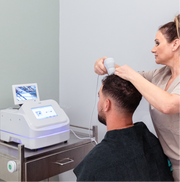
Get in contact with your local clinic and receive a free consultation on your hair's health. There, we can design a tailored treatment plan to suit your hair regrowth goals and comfort levels. Even without a hair transplant, we also have various non-surgical treatments available for your benefit.
Let our team guide you through your hair restoration journey and feel confident with our complete transparency.