




Key Takeaways
- Postpartum hair loss is often temporary.
- It can start 3-4 months after pregnancy and last up to 12 months.
- Natural hormonal changes cause it during and after pregnancy.
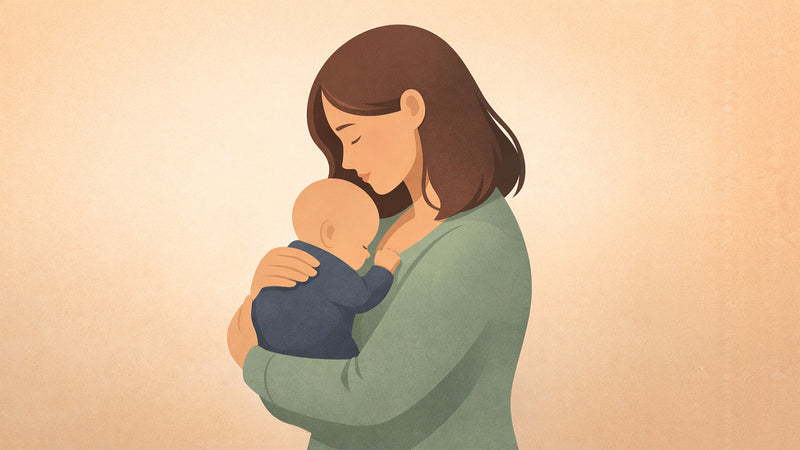
Hair thinning or shedding is a common occurrence 3-6 months post-pregnancy, but losing hair can still be a shock for many. In most cases, postpartum hair loss, known as telogen effluvium, is a normal but temporary process due to changing pregnancy hormones.
Whether you're in the early stages of pregnancy or in the thick of the postpartum hair loss phase, this guide delves into the potential causes, timelines and possible treatments to prevent further loss.
What Can Cause Postpartum Hair Loss?
Postpartum hair loss is mainly caused by natural hormonal changes during and after pregnancy. When you're pregnant, a higher level of estrogen extends the natural hair growth cycle, which makes your hair feel thicker and fuller. After childbirth, your estrogen levels drop rapidly, causing your hair to transition into the resting/shedding phase of its growth cycle, normally visible around 3 months postpartum.
Hormone changes during and after pregnancy are to be expected. Some people may also experience noticeable hair loss after pregnancy, which may be exacerbated by other underlying causes.
Other causes of hair loss post-pregnancy
-
Thyroid: Untreated thyroid diseases or postpartum thyroiditis may contribute to hair loss or thinning.
-
Iron deficiency: Iron is one of several nutrients that may support hair follicle health. It's common for many people to experience a drop in iron levels post-delivery, which can cause weakened hair strands or loss.
-
Stress: Childbirth and sleep deprivation may cause an increase in physical and emotional stress, which could lead to hair thinning or increased shedding.
-
Nutritional deficiencies: Some deficiencies after childbirth may affect hair loss, particularly when breastfeeding, as the body may prioritise those nutrients for milk production.
-
Genetic predisposition: Inherited genetics may be a cause of female pattern hair loss, which could fluctuate during postpartum hair loss.
How Common is Postpartum Hair Loss?
It can affect most people after childbirth, with one study reporting that over 90% of women with postpartum hair loss.
Can Postpartum Hair Loss Affect Your Baby?
Postpartum hair loss is unrelated to your baby's health and does not directly affect your baby.
A hair tourniquet can, however, indirectly affect your baby if a loose hair wraps itself around their fingers, toes or other body parts. In rare occurrences, it can wrap too tightly and cause pain or cut off circulation.
To prevent this, try to keep your shed hair contained during brushing and showers. Regularly check your baby's body parts and carefully unwind and cut any hair you spot.
The Postpartum Hair Loss Timeline
Postpartum hair loss can temporarily disrupt the natural hair growth cycle. For a healthy adult scalp, hair grows in a three-stage cycle:
-
Anagen growth phase: around 85-90% of hair follicles are in this stage at any one time, and it lasts around 2-6 years.
-
Catagen transition phase: around 1-2% of hair follicles shrink in the transition phase, which lasts around 1-2 weeks.
-
Telogen resting/shedding phase: around 8-15% of follicles become inactive and eventually shed when a new hair pushes through.
Hair growth cycle during pregnancy
Higher estrogen in late pregnancy prolongs the anagen growth phase and reduces the number of hairs entering the telogen resting phase. A higher percentage of follicles in the anagen phase can cause hair to look fuller and thicker.
Hair growth cycle after childbirth
After childbirth, estrogen levels drop, so many hair follicles that were in prolonged anagen move together into catagen (transition) and then telogen (resting). Because hairs stay in telogen for several weeks before they are released, shedding usually becomes noticeable around 3–4 months postpartum, often peaks around 4–5 months, and may take up to 6–12 months to fully settle.

How To Treat Postpartum Hair Loss
Postpartum hair loss is usually temporary and may resolve itself when the natural hair growth cycle settles again. However, some approaches may help support scalp and hair health during this period:
-
Go easy on your hair: Be extra gentle when washing and drying your hair during this period. Use a lower heat setting and try to avoid tight ponytails.
-
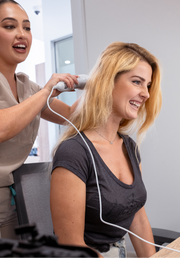
Start a scalp care routine: Protect your scalp and hair follicles with a gentle scalp massage brush.
-
Add volume: Use a volumising shampoo and conditioner to help build the foundation for healthier, more robust hair post-childbirth.
-
Take supplements: Re-formulated Gro Hair Capsules contain nutrients such as biotin, zinc and iodine. A consultation can help determine whether supplementation is appropriate for your circumstances.
Non-surgical hair loss treatments
If you experience excessive shedding or prolonged hair loss, several non-surgical treatments may support your hair restoration goals. Each head of hair is different, so it's best to discuss options with a hair growth doctor.
Popular treatments may include:
-
Growth Factor Therapy: Key growth factors are applied to the scalp that may help to improve scalp condition and maintain hair follicle function.
-
Platelet-Rich Fibrin (PRF): Involves using components of your own blood as part of a treatment plan that may stimulate hair growth and support skin health on the scalp.
-
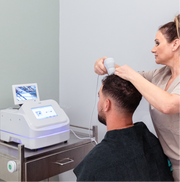
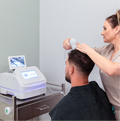
Low-Level Light Therapy: Uses red light technology that may be included as part of a broader hair management plan, depending on individual circumstances.
Suitability and expected outcomes are discussed during consultation.
Discuss Your Postpartum Hair Loss With a Professional
If you're worried about your postpartum hair loss or excess hair loss, you can book a free consultation to discuss your concerns and explore whether any treatment options are suitable for you.
Clinics are available across Australia, and consultations can be in-person or online. Our specialists will analyse your hair changes and health to discuss a tailored treatment plan.
Speak with a qualified practitioner about your postpartum hair loss concerns.
Frequently Asked Questions
Does everyone have postpartum hair loss?
Not everyone experiences postpartum hair loss, but many do. One study reported that over 90% of women had postpartum hair loss.
Can you prevent postpartum hair loss?
Postpartum hair loss cannot be prevented as it's a natural process caused by a drop in estrogen levels after childbirth. The hormonal changes disrupt the natural hair growth cycle and can cause hair to temporarily shed for around 3-12 months postpartum.
When does postpartum hair loss start?
Estrogen levels generally drop rapidly right after childbirth, which can start the cycle that leads to postpartum hair loss. Many hair follicles that were in the prolonged anagen growth stage during pregnancy move together into catagen (transition) and then telogen (resting). Shedding usually becomes noticeable around 3–4 months postpartum.
When does postpartum hair loss stop?
Postpartum hair loss is usually temporary and may take up to 12 months to stop.
How Long Does Postpartum Hair Loss Last?
Shedding typically becomes noticeable around 3-4 months postpartum and can generally peak around 4-5 months. It may take up to 12 months to fully settle back into a normal hair growth cycle.
When should you see a doctor for postpartum hair loss?
If shedding persists beyond 12 months, you notice bald patches, or if you experience scalp irritation, then you should consult your doctor to determine if there are other underlying conditions.
What deficiency causes postpartum hair loss?
Postpartum hair loss is primarily caused by a sharp drop in estrogen, which is a natural occurrence after childbirth. Some nutrient deficiencies, such as iron deficiency, may lead to increased postpartum hair loss.