







Key Takeaways
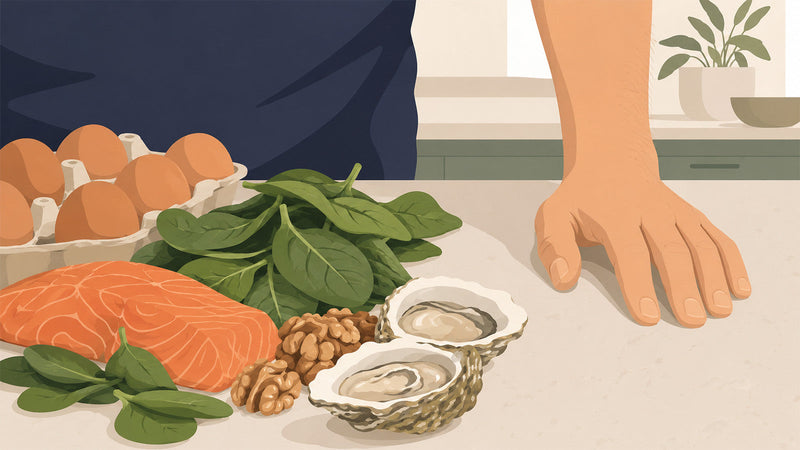
A balanced diet may play a pivotal role in maintaining your health, including the health of your hair and scalp. Nutrition may impact your hair growth cycle and contribute to hair loss, shedding and thinning hair. While hair loss may have other causes in addition to diet, addressing potential gaps in your nutrition may help you support healthier hair.
The following article will list the key nutrients commonly associated with healthier hair, as well as other lifestyle factors that may support hair health.
How does nutrition affect hair loss?
As hair growth is a non-essential bodily function, when your nutrients are limited, your body prioritises other organs and functions. This results in a vitamin deficiency that affects the strength, thickness and growth rate of your hair strands.
By improving your nutritional intake, you may be able to improve the health of your hair as your scalp and follicles regain crucial sustenance.
What other lifestyle choices affect hair loss?
Diet is not the only lifestyle choice that may affect your hair health. Other changes you could make for improved hair health include:
- Smoking: While smoking doesn't entirely cause hair loss, it may reduce the blood flow to your scalp, damage hair follicles and may contribute to early shedding. By quitting smoking, you may help to reduce further damage and support hair health, though individual experiences differ.
- Sleep: A poor sleeping cycle may increase your stress levels, cause hormone imbalances and affect nutrient absorption. By ensuring you get 7-8 hours of sleep every day, you may be able to manage your stress levels and help support a healthier scalp.
- Stress management: High stress levels may potentially contribute to hair loss by pushing your hair follicles into a resting phase, causing them to fall out prematurely. Stress-related hair loss may be temporary. Some individuals may reduce stress or learn stress management techniques and may be able to support hair restoration.
Key Nutrients for Hair Health:
While every person's dietary needs vary, the following nutrients are commonly associated with supporting hair and scalp health:
Protein
Protein is an essential nutrient that acts as the building block for your entire body. Hair is primarily composed of keratin, a type of protein that makes up hair, nails and the outer layer of the skin. Consuming protein may provide your body with the primary building block of keratin, and may also support and enhance your follicles and hair cuticle strength.
Sources of Protein
Protein can be found in:
- Lean meats
- Poultry
- Seafood
- Eggs
- Tofu
- Legumes
- Nuts
- Whole grains
Iron
Iron is an essential mineral and nutrient that helps transport and store oxygen throughout the body. Notably, the body cannot produce iron on its own, making iron-rich foods an important factor for good health.
Iron may assist healthy hair by producing haemoglobin, which carries oxygen to the cells, including cells like hair follicles, which assist hair growth and repair. With the correct amount of iron, your hair may enter the resting phase more slowly, which may reduce shedding and encourage hair strength.
Sources of Iron
Iron can be found in:
- Red meat
- Leafy greens (spinach, kale, etc.)
- Lentils
- Iron-fortified cereals
- Dried fruits (apricots, prunes, raisins)
- Seeds and nuts
Biotin (Vitamin B7)
Biotin, also known as vitamin B7 or vitamin H, is a water-soluble vitamin that helps break down fats, carbohydrates and proteins. It may support hair growth because it may support the body's keratin production, which may strengthen follicles, increase hair density and reduce breakage.
Biotin may also increase the elasticity and strength of your hair shaft, which may help hair appear thicker and healthier.
Sources of Biotin
Biotin can be found in:
- Eggs
- Almonds
- Seeds
- Sweet potatoes
- Beef liver
- Pork
- Sunflower seeds
- Spinach
- Broccoli
Omega-3 Fatty Acids
Omega-3 fatty acids are a family of healthy fats and acids that are crucial for cell membranes, heart health and reducing inflammation. Like iron, your body cannot naturally produce these essential fatty acids, and they must be obtained through consumption.
The fatty acids may improve hair health by reducing scalp inflammation, increasing scalp circulation and hydration, supporting skin barrier functions and nourishing hair follicles. They may also help with dry, brittle or thinning hair.
Sources of Omega-3 Fatty Acids
Omega-3 fatty acids can be found in:
- Oily fish (tuna, salmon, sardines, mackerel)
- Flaxseeds and chia seeds
- Oysters
- Walnuts
- Soybeans and soy oil
- Canola oil
Zinc
Zinc is an essential mineral nutrient that supports immune functions, protein synthesis, wound healing and cell division. Like iron and omega-3 fatty acids, your body cannot produce zinc naturally and must source it from what you eat.
Zinc may support hair health through cell regeneration and oil gland functions around hair follicles, as well as assisting in hair tissue growth and repair. Zinc is also a key component in creating proteins like keratin.
Sources of Zinc
Zinc can be found in:
- Oysters and shellfish
- Red meat (beef, lamb, pork)
- Dairy (milk, cheese)
- Legumes (chickpeas, lentils)
- Nuts (cashews, almonds, peanuts)
- Seeds (hemp, pumpkin, sesame, squash seeds)
- Whole grains (oats, quinoa, brown rice)
Folate (and other B-Vitamins)
Folate, also called vitamin B9, is a water-soluble B vitamin your body needs to produce healthy red blood cells and support growth and development. It may help support your hair by supporting rapid cell division, which enables keratin production and assists in regenerating hair cells.
Sources of Folate
Folate can be found in:
- Dark leafy greens (spinach, asparagus, brussels sprouts, broccoli, bok choy)
- Legumes and nuts (chickpeas, lentils, black beans, kidney beans, peanuts)
- Fruits (oranges, bananas, strawberries, avocado)
- Meat (beef liver, chicken liver, eggs)
Which Foods could cause Poor Hair Health?
Diet is just one of many factors related to hair loss, but the following foods may be contributing to a poor diet or hair loss factors:
- High-mercury fish: Consuming fish high in mercury, such as swordfish and bigeye tuna, may contribute to hair loss. This is because mercury could trigger toxicity and potentially affect your essential minerals, such as iron or zinc.
- Sugar and refined carbs: Due to increasing inflammation and elevated hormone levels, foods with high sugar and refined carbohydrates may partially contribute to hair loss.
- Fried foods: Meals high in unhealthy fats may trigger excess oil production and clog pores, which affects overall hair health.
- Excessive salt and dairy: Too much dairy may also boost the body's oil production, leading to clogged pores, while high sodium foods may disrupt scalp circulation.
Should You Use Supplements?
While supplements may help correct nutritional deficiencies, they are not a substitute for a balanced diet. If you currently have a restrictive diet or have absorption issues, supplements may support your overall nutritional intake.
Always consult a registered health practitioner before starting any supplements, especially if you have underlying health conditions or take other medications.
What if Diet isn't the Cause of Hair Loss?
Hair loss may be triggered by many factors, including genetics, hormonal shifts, health conditions, stress, or medication. While improving your diet may support hair health, it may not address the root cause of hair loss in all cases.
If you are concerned about ongoing hair thinning or shedding, consider booking a free 15-minute discovery call with a hair growth advisor.
Explore Medically Guided Options
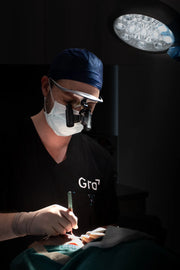
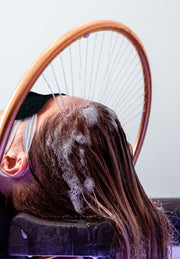
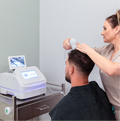
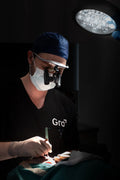
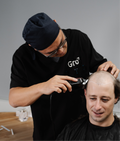
At Gro Clinics, we offer a range of medically guided treatments tailored to different types and stages of hair loss. These include:
- Hair transplant procedures designed to support hair density in areas with reduced coverage
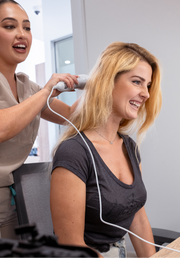
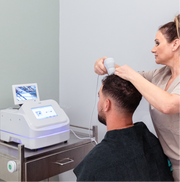
- Growth factor therapy which may support follicle stimulation
- Low-level light therapy (LED) which may support scalp health
- Prescription haircare treatments are available following a consultation with a doctor to assess suitability.
Individual results may vary. A consultation is required to determine suitability for each treatment.
View our full list of services and book a free 15-minute discovery call with a hair loss advisor:
Food for Hair Growth FAQs
Which foods are commonly linked to hair health?
There is not strictly one single food that is best for hair growth, as diet is just one of many factors for good hair health. However, some foods may contain more nutrients for good hair health than others, such as:
- Eggs
- Fatty fish like salmon and mackerel
- Spinach
- Berries
- Sweet potatoes
- Nuts, seeds and whole grains
- Oysters
- Legumes
What vitamin am I lacking if my hair is falling out?
Some vitamins may play a role in a healthy hair growth cycle and some deficiencies may affect hair health:
- Vitamin D: May support new hair follicles and stimulate growth.
- Iron: May produce oxygen-carrying protein that fuels hair follicle cells.
- Zinc: May support tissue repair and strengthening oil glands that support follicles.
- Biotin: May support keratin infrastructure.
- Vitamin B12: May support red blood cell production, which supports scalp nourishment.
- Vitamin C: May aid iron absorption and produces collagen, which assists hair strength.
- Vitamin E: May reduce oxidative stress and free radicals that break down hair follicles.
Can foods cause hair to grow faster?
Certain foods, such as eggs and fatty/oily fish, may promote fast, healthy hair growth by providing your hair with crucial nutrients.
However, diet may be just one factor causing hair to grow faster, and diet alone cannot override genetics.
Is it possible to naturally slow hair loss?
It may be possible to naturally help slow your hair loss, but genetics may also affect your general hair health, including when your hair loss starts. In addition to your diet, regular sleep, routine hair care, such as scalp massages, and stress management may contribute to slowing hair loss.
What blood test is done for hair loss?
Blood tests for hair loss may screen for many different underlying issues, such as nutrient deficiencies, thyroid problems, anaemia, hormone imbalances or inflammation. Be sure to consult a registered health practitioner to determine which test may help you discover the reasons for your hair loss.
Are there drinks that may support hair health?
Beverages with nutrients that may support hair health include:
- Aloe vera juice: Contains vitamins such as A, B12 and E.
- Beetroot juice: Contains iron, betalains, potassium and zinc.
- Carrot/Sweet potato juice: Contains beta-carotene, which may protect hair cells from damage.
- Water: Crucial for hydration for the hair shaft and scalp, as well as reducing brittleness and transporting nutrients.