










Almost half of all men over 40 experience male pattern baldness. In many cases, this includes a receding hairline. In this guide, we'll examine the common stages and causes of receding hairlines, as well as the prevention strategies available.
For more tailored advice for your unique situation, book a consultation with our experienced hair restoration experts today.
Key Takeaways
- Receding and thinning hair are common occurrences among many people, especially men. Male hair loss usually presents as the hairline moving away from the face at the temples.
- Women can also experience receding hairlines, though this isn't generally characteristic of female pattern hair loss.
- Hair loss is usually caused by genetic and hormonal factors that lead to follicle miniaturisation, or by medical conditions that disrupt the normal hair growth cycle. The natural ageing process can also contribute to thinning over time.
- Using prescribed treatments such as minoxidil and finasteride can help prevent thinning, while hair transplants may restore healthy hair growth in affected areas.
What are the Stages of a Receding Hairline?
Stages of Male Pattern Hair Loss
When measuring hair loss in men, including receding hairlines, the most common guide is the Norwood Scale. It covers seven stages of male pattern baldness:
- Stage 1: Little to no hair loss or receding.
- Stage 2: Minor hair recession at the temples, often called a maturing hairline.
- Stage 3: The hairline is more deeply recessed. Recession at the temples forms an M-shaped pattern. In Stage 3 Vertex, thinning or early balding appears at the crown.
- Stage 4: The hair loss at the temples becomes more pronounced, and thinning on the top of the head becomes a visible bald spot. A thin portion of hair separates frontal loss from crown loss.
- Stage 5: Hair loss becomes significant at both the hairline and crown. The portion of hair separating the areas thins further.
- Stage 6: Severe hair loss with no separation. The frontal region shows significant thinning.
- Stage 7: Hair is only left at the sides of the head in a horseshoe shape. Density in these areas may also be reduced.
Stages of Female Pattern Hair Loss
Female pattern hair loss generally does not typically involve a receding hairline. Instead, hair loss typically derives from thinning of the hair part on top of the head.
Female pattern hair loss is assessed with the Ludwig Scale, comprised of three stages:
- Stage 1: Hair thinning at the part line is mild and not significantly noticeable unless examined very closely.
- Stage 2: A reduction in hair density is apparent, and the part line becomes more pronounced, leaving few styling options to conceal hair loss.
- Stage 3: Severe hair loss is present across the scalp area, though complete baldness, as seen in males, is very rare.
What's the Difference Between a Mature Hairline and a Receding Hairline?
Generally speaking, a mature hairline is a gradual heightening of the hairline over time that often results in a V-shape, also known as a widow's peak. Mature hairlines usually finish forming in your 30s.
Receding hairlines, on the other hand, are more pronounced and can be caused by genetic or hormonal factors. The hair loss tends to begin at the temples and move backwards across the scalp, often in an uneven or M-shaped pattern. It can also be accompanied by visible thinning and hair loss on the crown.
It can be challenging to determine whether your hairline is maturing or outright receding. If you consult with a trained hair restoration expert, you can determine what exactly is going on with your hairline, and be advised on the next steps to stall or reverse hair loss.
What Causes a Receding Hairline?
A receding hairline is most commonly caused by one or a combination of the following factors:
- Hormonal changes: Heightened levels of dihydrotestosterone (DHT) in males and menopause in females can affect the ability of hair follicles to produce thick hair.
- Chronic stress: In addition to other health drawbacks, frequent stress can induce hair loss.
- Hairstyles and management: Tight hairstyles (including ponytails), as well as the use of harsh chemicals and excessive heat, can all damage hair and exacerbate receding hairlines.
- Poor diet and smoking habits: Excessive smoking and poor dietary choices can each contribute to hair fragility and loss.
- Medical treatments and health conditions: Some instances of hair loss can be caused by medical treatment, such as chemotherapy, as well as other underlying conditions.
- Genetics and family history: If your parents and other relatives experience receding hairlines, you may show signs at a similar stage of life.
How to Manage a Receding Hairline
When your hairline is receding, you have numerous options to manage your hair loss. Here's an overview of what you can do to address a receding hairline.
Lifestyle Adjustments
Reducing or entirely quitting smoking and drinking alcohol may improve your general health and help create a healthier environment for your hair. Additionally, reducing your stress can assist with managing hair loss.
Getting more sleep, exercising and practising mindfulness techniques can lower stress levels, potentially helping manage hair loss. While these lifestyle adjustments will not entirely prevent or regrow your hair, they may facilitate healthier scalp and follicle health.
Dietary Changes
Examining and adjusting your diet can help make your hair healthier and less prone to breakage. Avoiding processed foods and focusing on nutrient dense foods filled with protein, zinc, iron and B vitamins can make your hair more robust and resistant to damage.
Some foods that may support hair health include:
- Chicken
- Lentils
- Spinach
- Almonds
- Eggs
Though having a balanced diet won't stop genetic hair loss entirely, it may help address nutritional deficiencies that could be contributing.
Topical Treatments
For some people and hair loss cases, a topical treatment prescribed by your doctor can halt or even reverse hair loss in afflicted areas. Products like minoxidil are treatments that may help manage hair loss.
For more information about potential topical treatments for your hair loss, visit our prescription hair care page.
Disclaimer: Any reference to therapeutic treatments is general in nature. All treatments carry risks and results vary. A full consultation with a qualified professional is required to determine suitability. Prescription medications are only available following an assessment by a registered practitioner.
Oral Medications
Besides topical treatments, your doctor may prescribe oral treatments to help manage your hair loss, including finasteride. Finasteride can block DHT, which can be responsible for shrinking hair follicles and affecting their ability to produce thick hair.
Such treatments should only ever be used after consultation with a doctor. Please note that they can sometimes have pronounced side effects.
Disclaimer: Any reference to therapeutic treatments is general in nature. All treatments carry risks and results vary. A full consultation with a qualified professional is required to determine suitability. Prescription medications are only available following an assessment by a registered practitioner.
Hair Care Practices
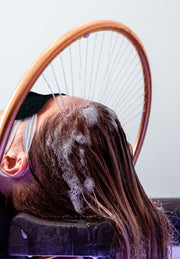
The way you treat your hair in general can affect a receding hairline. Wherever possible, you should avoid overwashing and overbrushing your hair, as well as excessive heat styling.
You may also benefit from using sulphate-free shampoo and conditioner, as they are gentler on your scalp. Opting for natural and looser styles can minimise hair pulling, which in turn can reduce hair loss.
Even the type of comb you use to style your hair can help prevent breakage. Wide tooth combs are very useful for styling wet hair and can help detangle thick hair gently.
Hair Transplant Procedures
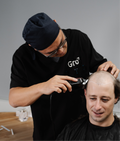
For more pronounced hair recession that cannot be addressed with other methods, it may be worth considering a hair transplant procedure. At Gro Clinics, we can assess your candidacy for our hair transplant procedures, and create a treatment plan based on your needs.
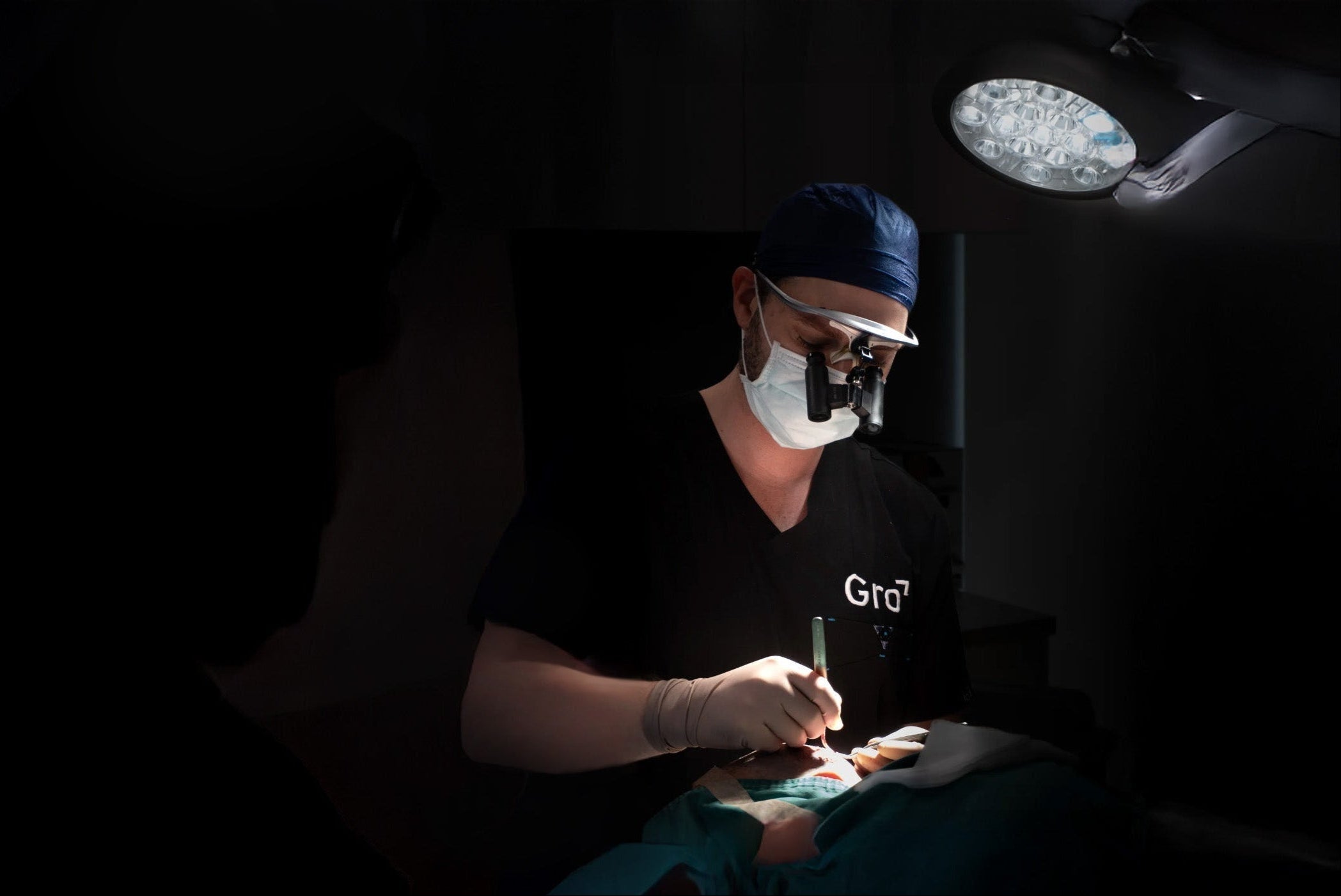
Our procedure is a version of the FUE technique. It's performed or overseen by doctors, and involves extracting hair follicles from a healthy donor area and transplanting them to a thinning or balding area.
Results can be accompanied by ongoing care to support transplanted hair.
Non-Surgical Treatments
Outside of medications and hair transplant surgery, there are other options that can support the appearance of healthy hair. These include:
- Platelet-Rich Fibrin (PRF) Therapy: A minimally invasive procedure which involves injecting a patient with their own blood after it is processed in a centrifuge. It aims to support scalp health and stimulate areas of concern.
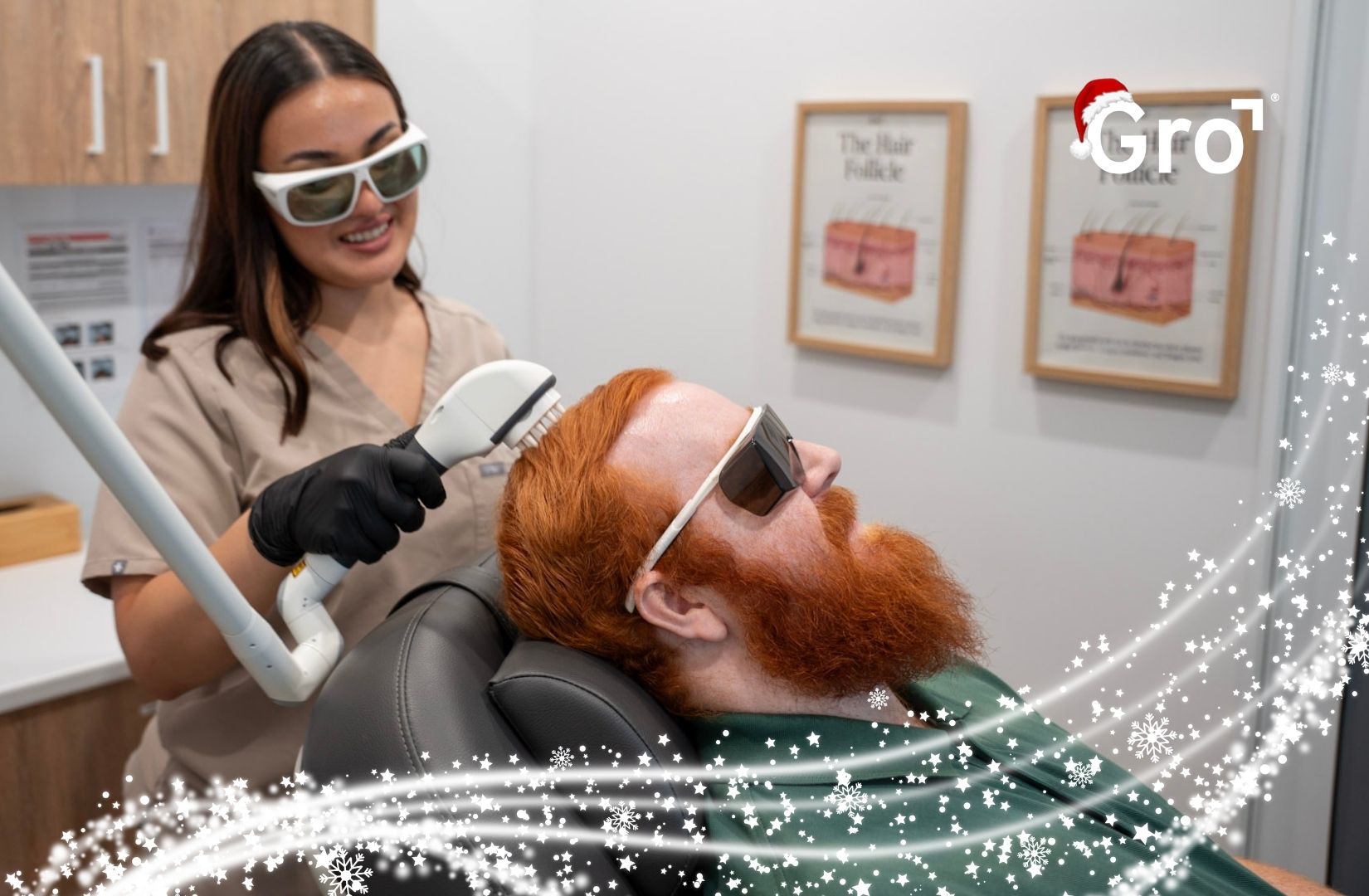
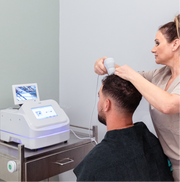
- Low Level Light Therapy: Also known as low level laser therapy, this is an application of red LED lights that aims to support scalp circulation. It can be used to treat mild to moderate hair loss.
- Scalp Micropigmentation (SMP): Involves microneedles depositing pigment into the scalp, aiming to create the appearance of thicker, denser hair. This can be used in conjunction with a hair transplant.
Book a Consultation with Gro Clinics
If you notice that your hairline is receding, there may be options available to help you manage it. At Gro Clinics, we offer procedures and medications to help you address a receding hairline.
Book your free consultation today and see what hair treatment options may be available to you.
Frequently Asked Questions
Why Is Early Intervention Important for a Receding Hairline?
Early intervention is important because hair loss can be progressive. Once your hair follicles are completely inactive, it can be challenging to encourage new hair growth without direct hair treatments.
By addressing hair recession early, you have a better chance of preserving your hairline and reducing the need for more complicated procedures.
What is a Receding Hairline?
In simple terms, a receding hairline is a gradual, progressive loss of hair that usually occurs from the temples and moves backwards along the frontal hairline. This can result in an uneven M-shape, and make the forehead more pronounced.
Can Receding Hairlines be Fixed?
There is no current method available to completely "fix" a receding hairline in all situations. Hair transplants can allow you to achieve natural-looking, thicker hair in thinning areas.
Prescription treatments such as finasteride and minoxidil may help manage receding hairlines. Gentle hair care and making some dietary and lifestyle changes may also give you a better chance of reducing recession.
How is a Receding Hairline Diagnosed?
In general, a receding hairline can be diagnosed by a doctor such as a dermatologist. They may ask for your personal and family medical history and perform a visual inspection of your scalp. They may perform a pull test, where they gently pull on a few hairs and see how many break or fall out.
In some cases, a dermatologist can also perform a biopsy of scalp tissue to identify any scalp infections that may be present.
What Causes a Receding Hairline at 18?
If someone's hairline is receding at 18, they may simply have been exposed to usual hair loss factors at an earlier age than others. For example, the chemical DHT may begin impacting hair follicles at an earlier-than-usual age. This can be influenced by factors such as family history.
How Can I Prevent a Receding Hairline?
Strategies that may assist you in preventing a receding hairline can include:
- Wear natural, loose hairstyles.
- Manage your stress.
- Eat a healthy diet.
- If you are beginning to experience a receding hairline, speak with a hair restoration expert about treatment options.
Disclaimer: All medical procedures carry risks. Individual results vary. A consultation with a qualified health practitioner is required to assess suitability.