











After a hair transplant, many patients may experience post-operative side effects like swelling. In this guide, we'll explain why hair transplant swelling occurs, how you can address it and when medical attention may be required.
What is a Hair Transplant?
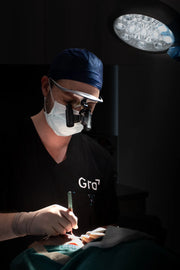
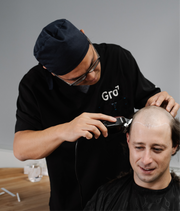
A hair transplant is a procedure that involves removing healthy hair follicles from one part of your scalp, and implanting them in thinning areas of your scalp. These follicles usually come from the back or side of the scalp.
These follicles are generally more resistant to the hormone dihydrotestosterone (DHT) than follicles on other parts of the scalp. This can allow them to continue to produce hair that is less prone to thinning. A well-executed procedure can therefore promote more hair growth in desired areas.
The most common types of hair transplants are Follicular Unit Extraction (FUE) and Follicular Unit Transplantation (FUT) procedures. At Gro Clinics, we use a specific, doctor-led method of FUE procedures known as Precise Follicle Placement (PFP).
When this procedure is performed, grafts are implanted directly with specialised tools, without prior channel incisions.
What Causes Swelling After a Hair Transplant?
The removal and implantation of hair follicles, or a strip of scalp, causes minor trauma to your bodily tissue. Swelling is a natural localised inflammatory response to this trauma.
Hair transplant procedures can also involve the use of fluid containing local anaesthesia. This fluid can pool in parts of the head or face, also contributing to swelling.
Stages of Post-Operative Swelling
Post-operative swelling can progress per the following stages:
- Stage 0: No swelling.
- Stage 1: Some swelling in the upper forehead.
- Stage 2: Swelling grows in the forehead, often becoming quite noticeable.
- Stage 3: Swelling begins to occur around the eyes and cheeks.
- Stage 4: Swelling worsens around the eyes. In some cases, it may be difficult to open or close your eyes.
Keep in mind that post-operative swelling can vary significantly from one patient to another. This depends on the type of hair transplant, the quantity of follicles transplanted and the patient themselves.
How Long Does Post-Operative Swelling Last?
Swelling usually begins quite quickly after a hair transplant. Major swelling can last around 3-4 days. After approximately one week, swelling should be significantly reduced.
How to Manage Post-Operative Swelling
You can take some key steps before and after your hair transplant procedure that can help manage swelling you may experience. These measures can include:
- Consultation: Speak with your hair restoration professional about post-operative swelling and appropriate prevention measures. You should also discuss any medications you're taking and how they could impact swelling.
- Medication: Some patients may be prescribed anti-inflammatory medication like oral steroids to help manage swelling.
- Hydration: Being well-hydrated can help reduce swelling. Drink an appropriate amount of water before and after your procedure.
- Elevation: Keeping your head elevated can play a role in reducing swelling. Discuss appropriate measures to elevate your head with the professionals completing your procedure.
- Cold compress: Applying cold compresses to affected areas around the forehead or temples can also bring down swelling. You should wrap your compress in a cloth, and make sure to avoid contact with transplanted areas.
- Diet: To maintain hydration levels, consider avoiding foods that are high in sodium in the days following your procedure.
- Exercise: Avoid strenuous activity and exercise for the time period recommended by your hair restoration professional.
Find out more about what to avoid before your hair transplant procedure here.
When Should I Seek Medical Help?
Here are some warning signs you may need additional medical attention to address post-hair transplantation swelling:
- If significant swelling persists or worsens outside of the expected timeframe (around one week).
- Any signs of infection, such as fever, chills, discharge or severe pain.
- Swelling that is extremely sudden, asymmetrical or unusually coloured.
- Swelling that causes severe discomfort in your eyes, or difficulty in opening them for multiple days.
Book a Consult With Gro Clinics
The experienced team at Gro Clinics is here to guide you on your hair restoration journey. When we perform advanced hair transplant procedures, we conduct detailed consultations with every patient.
We answer any questions our hair transplant patients have and ensure they are prepared for the after-effects of the procedure. If you want to know if a hair transplant may be right for you, and understand any side effects that may occur, book a consultation with our team today.
We'll help you make the right decision for you and get you on the road to managing hair loss.
Frequently Asked Questions
Does Ice Help Manage Post-Operative Swelling?
Ice is often recommended by hair restoration experts to help manage post-operative swelling. Speak with your hair restoration expert to confirm if this is an appropriate management technique for you.
What Can Be Done to Help Hair Transplants Heal Faster?
It's generally not advisable to try to "speed up" the hair transplant healing process. When you have a hair transplant, your hair restoration expert should provide you with a detailed breakdown of what may happen after your procedure, and what you need to do to manage the recovery process.
You should follow this direction and allow your body to heal at a natural pace. Following the direction of your hair restoration expert will help you achieve the strongest results after your procedure.
What Are the Common Side Effects After a Hair Transplant?
Common side effects of a hair transplant include:
- Post-operative swelling.
- Pain or numbness.
- Scabbing.
- Itchiness in donor and transplanted areas.
- Shock loss, where newly transplanted hairs and existing hairs are shed shortly after the procedure.
Why Do I Feel Pain After a Hair Transplant?
Feeling pain after a hair transplant is extremely common. It's a natural response to trauma in the donor area and the recipient area.
You may also feel pain due to swelling after your hair transplant. The pain many patients feel in the first week or so after the procedure should be manageable with over-the-counter or prescription medication.
However, there are some pain-related cases where you should reach out to your hair restoration specialist for further advice. This includes:
- Severe pain that is not relieved by medication.
- Significant pain that persists for longer than your prescription covers you for.
- Unusual or excessive bleeding.
- Any signs of an infection, like fever, chills or discharge.
Why Am I Bleeding After a Hair Transplant?
Bleeding is another common side effect of a hair transplant. Since a hair transplant procedure involves making incisions into your scalp and placing hair grafts, small blood vessels are inevitably disrupted. This causes bleeding.
Your hair restoration professional will give you advice to help you manage bleeding for the first day or two after your procedure. If significant bleeding continues to occur two days after your procedure, you may be experiencing a complication.
Contact your hair restoration professional if you're concerned about your level of bleeding. If your blood loss is severe, call 000 immediately.
Can I Wear a Hat After a Hair Transplant?
Wearing a hat is generally not recommended within the first week or so after a hair transplant, as it may disrupt your hair grafts. Beyond the first week, your hair restoration professional may permit or recommend hat-wearing. Speak with your hair restoration professional for tailored advice to your situation.
Disclaimer: All medical procedures carry risks. Individual results vary. A consultation with a qualified health practitioner is required to assess suitability.